
Trade
The house
Service inside a household or a hotel.
Towels, powder rooms, and the young man led around Europe. The work tracked the size of a staff a house was willing to keep.
In this trade
4
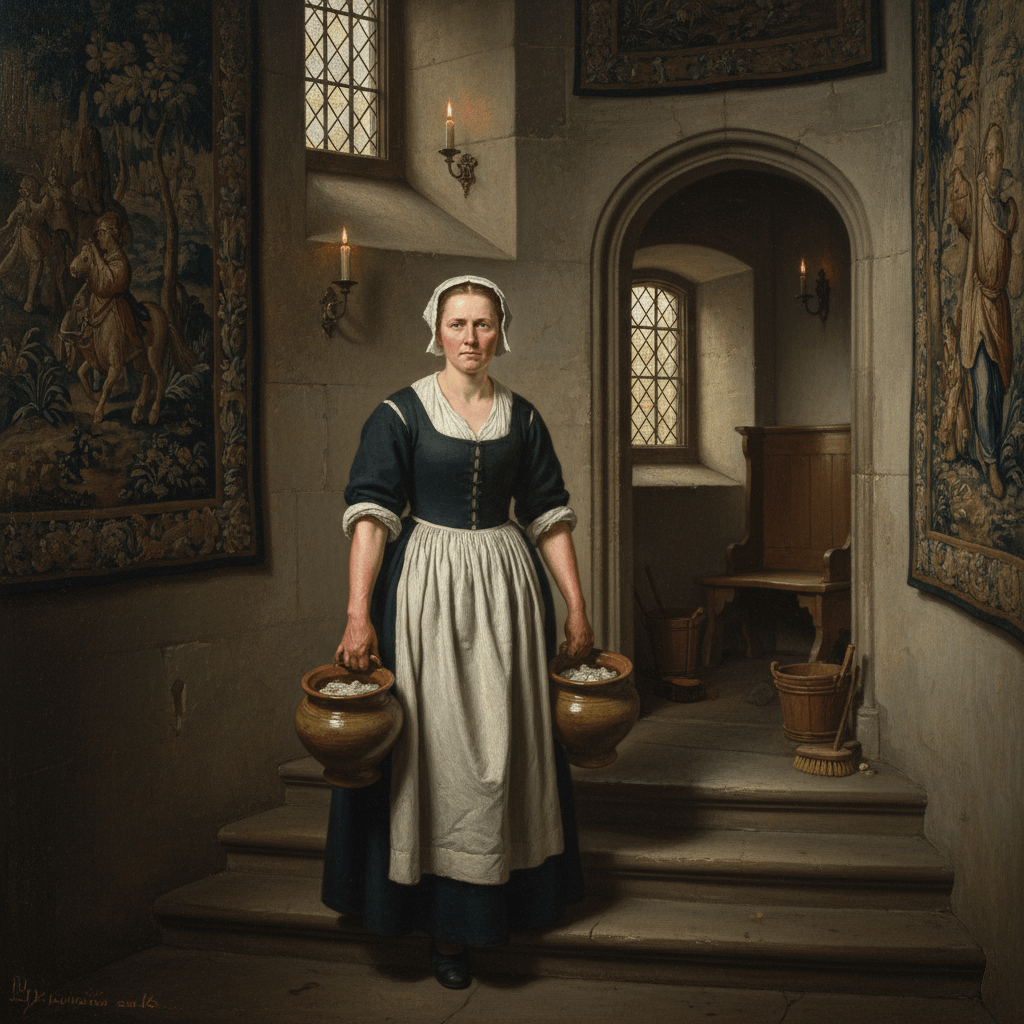
- Past · Victorian EraNecessary WomanThe role of the Necessary Woman emerged during the Victorian Era, a time characterized by strict social hierarchies and the delineation of gender roles. These women were employed primarily in affluent households, where they were responsible for the maintenance of the 'necessary room'—a euphemism for the toilet or privy. This job was not merely about cleaning; it involved a range of tasks that ensured the hygiene and comfort of the household. Necessary Women were tasked with the cleaning and upkeep of the facilities, which included emptying chamber pots, scrubbing floors, and ensuring that the necessary room was stocked with essential supplies such as toilet paper and soap.
In an era when sanitation was becoming increasingly important, the work of the Necessary Woman was crucial. They were often the unsung heroes of the household, performing a job that was considered too unpleasant for the higher-status members of the family. Their work was essential in preventing the spread of disease, particularly in urban areas where sanitation was a growing concern.
Despite the low social status of this occupation, Necessary Women played a vital role in the functioning of Victorian households, often working long hours for modest pay. Their contributions were largely overlooked, reflecting the broader societal attitudes towards women’s work during this period.
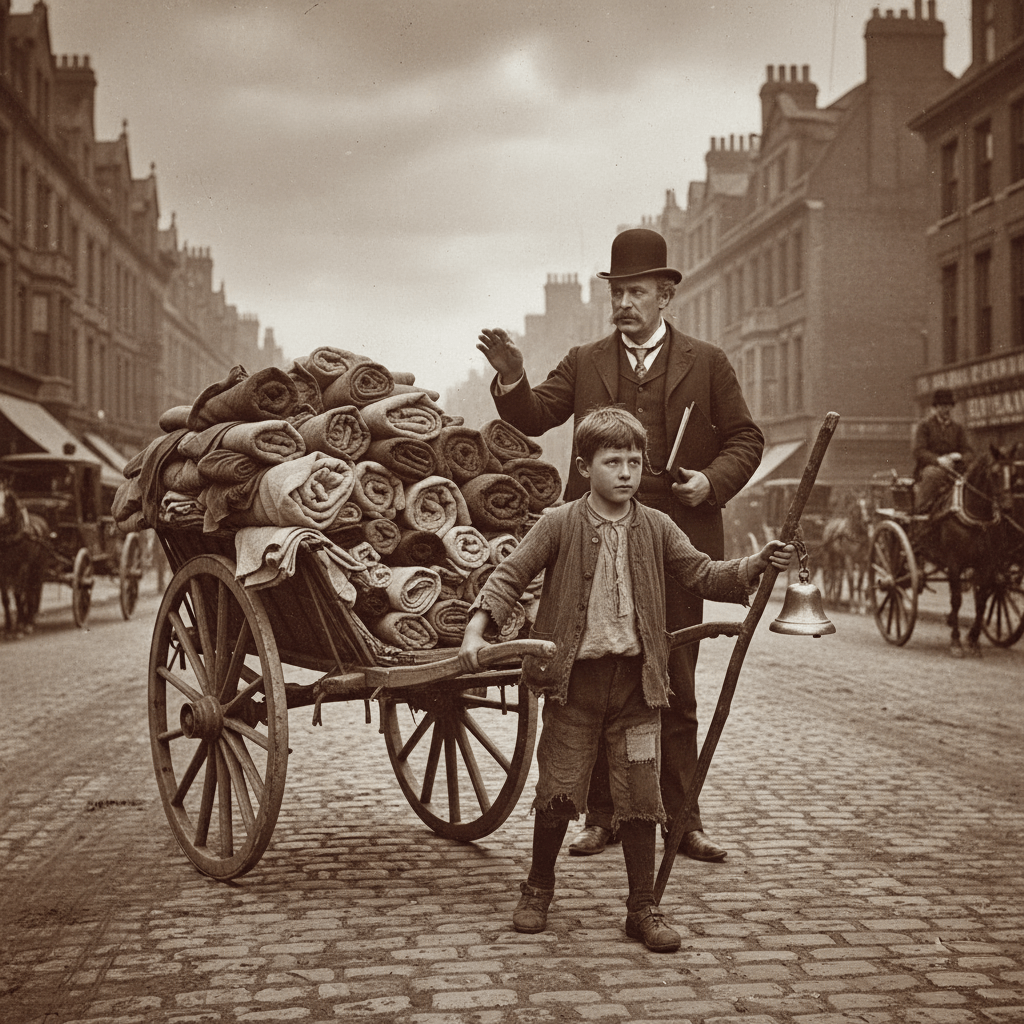 Past · Victorian EraTowel HorseThe towel horse was a common fixture in Victorian households, serving as a practical solution for drying and airing out freshly laundered towels. This job involved the creation and maintenance of these wooden frames, which were designed to hold towels in a way that maximized air circulation and minimized mildew. Craftsmen known as towel horse makers would construct these items from sturdy wood, often incorporating decorative elements to enhance their aesthetic appeal. The towel horse was not merely a functional item; it was a symbol of domesticity and cleanliness in an era that placed great emphasis on hygiene and the proper management of household chores.
In the bustling homes of the Victorian middle class, the towel horse was an essential accessory, often placed in bathrooms or near wash basins. It allowed families to dry their towels efficiently, reflecting the era's values of order and propriety. The towel horse was typically designed with multiple rungs or bars, allowing several towels to be hung at once, and was often collapsible for easy storage.
As the Victorian Era progressed, the towel horse became a staple in many households, with variations in design reflecting the tastes and preferences of the time. Craftsmen took pride in their work, often handcrafting each piece with attention to detail, ensuring that the towel horse was both functional and visually appealing.
However, as the 20th century approached, the advent of modern plumbing and the introduction of electric dryers began to change domestic practices. The need for towel horses diminished as households adopted new technologies that made drying towels faster and more efficient. The towel horse, once a common sight in homes, gradually faded into obscurity, becoming a relic of a bygone era.
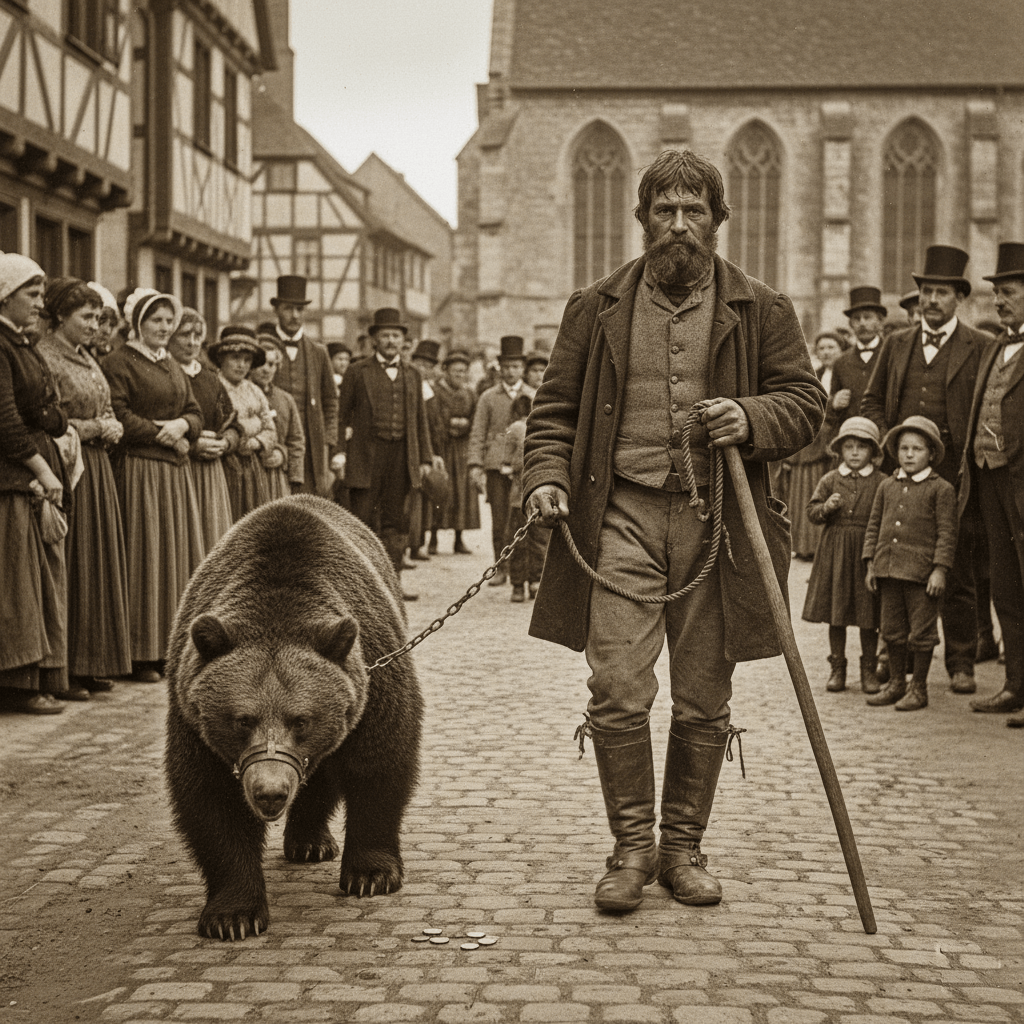 Past · Victorian EraBear-LeaderThe role of a Bear-Leader was a unique and fascinating occupation that emerged during the Victorian Era, particularly in the 19th century. These individuals were responsible for the care and management of trained bears, often leading them through towns and cities as a form of entertainment. The bear, typically a young and trained specimen, would perform tricks and engage with the public, drawing crowds and generating income for the Bear-Leader. This profession was not merely about leading a bear; it involved a deep understanding of animal behavior, training techniques, and the ability to engage with audiences. Bear-Leaders were often seen as both entertainers and animal handlers, navigating the delicate balance between showmanship and animal welfare. The spectacle of a bear performing tricks, such as dancing or balancing on a ball, was a popular attraction in fairs and public gatherings, making the Bear-Leader a notable figure in the entertainment landscape of the time.
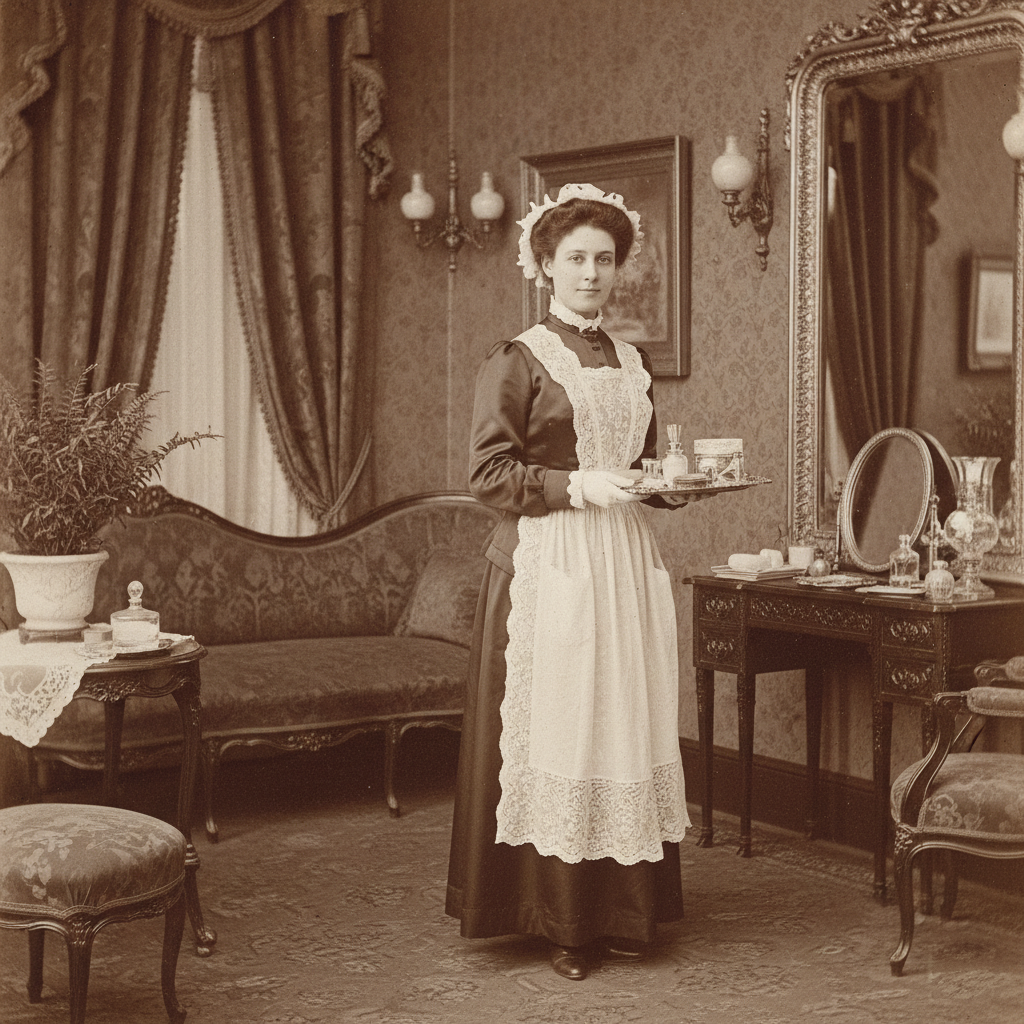 Past · Victorian EraPowder Room AttendantThe role of a Powder Room Attendant was a vital yet often overlooked position in the social fabric of the Victorian Era, particularly in the late 19th century. These attendants were responsible for maintaining the elegance and functionality of the powder rooms in theaters, opera houses, and high-end social venues. Their duties included ensuring that the facilities were clean, stocked with necessary items, and that patrons had a pleasant experience while attending to their personal grooming needs. The powder room was a sanctuary for women, a place where they could refresh their appearance, apply makeup, and socialize in a more private setting. Attendants would often assist patrons with their needs, offering services such as providing powder, perfume, and other beauty essentials, as well as helping with clothing adjustments and offering a listening ear to the social exchanges that took place within these intimate spaces.