
c. 1980–2005
The late twentieth century
The desktop, the video shop, and the household driver.
These exhibits ended, or thinned, within living memory. The typewriter route, the mainframe floor, and the rental counter are the last jobs in the past catalogue.
What followed started from problems these jobs did not solve: a file that cannot be opened, a face that can be copied, a battery whose history has to be recorded.
In this period
4
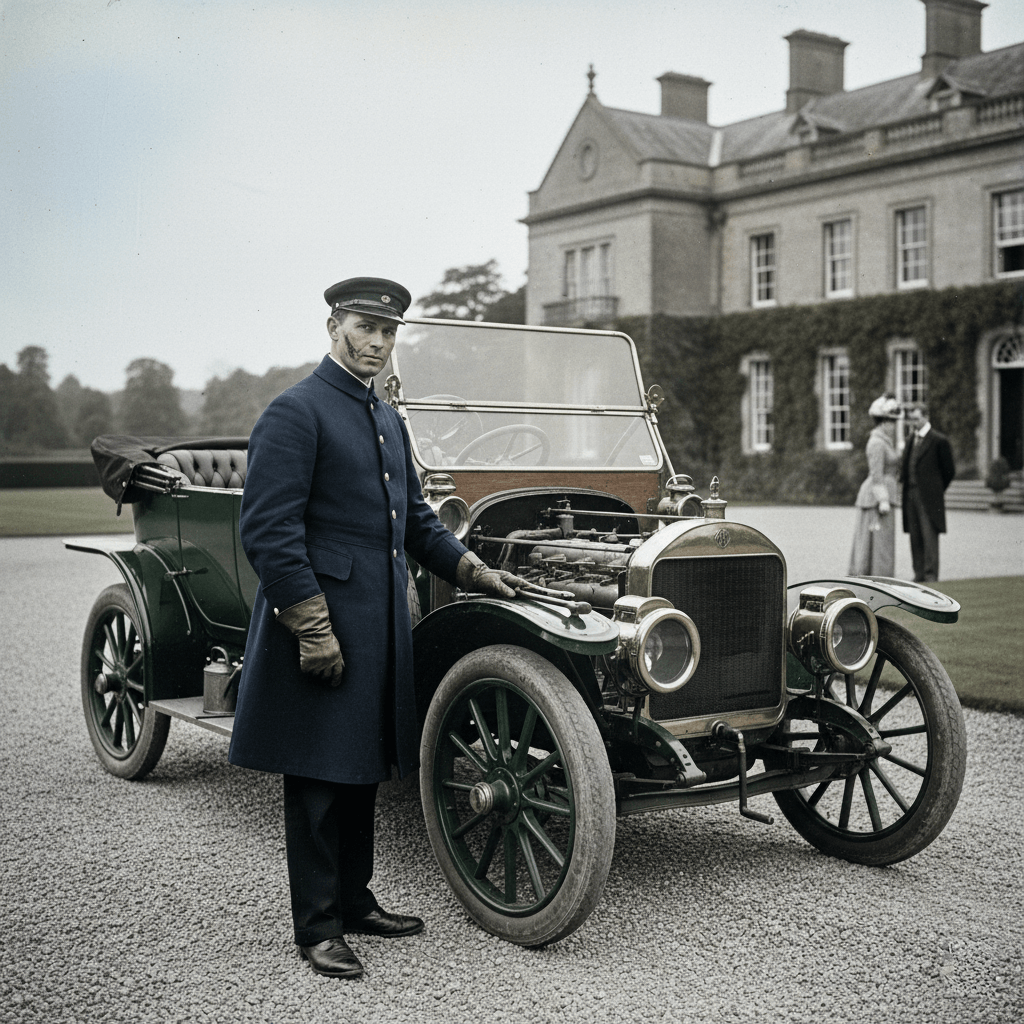 Past · Modern EraChauffeurThe role of a chauffeur was once a prestigious and essential occupation, particularly in the early to mid-20th century. Chauffeurs were professional drivers employed to transport individuals, often from the upper echelons of society, in luxury vehicles. This job was not merely about driving; it encompassed a range of responsibilities that required a unique blend of skills and etiquette. Chauffeurs were expected to maintain the vehicle in pristine condition, ensuring it was clean, fueled, and mechanically sound. They often had to navigate complex city streets, understand traffic laws, and possess a keen sense of timing to ensure their passengers arrived at their destinations punctually. Additionally, chauffeurs were trained in the art of customer service, often donning uniforms that reflected their employer's status and adhering to strict codes of conduct. The job was synonymous with luxury and exclusivity, often associated with the wealthy elite who relied on chauffeurs for both convenience and status.
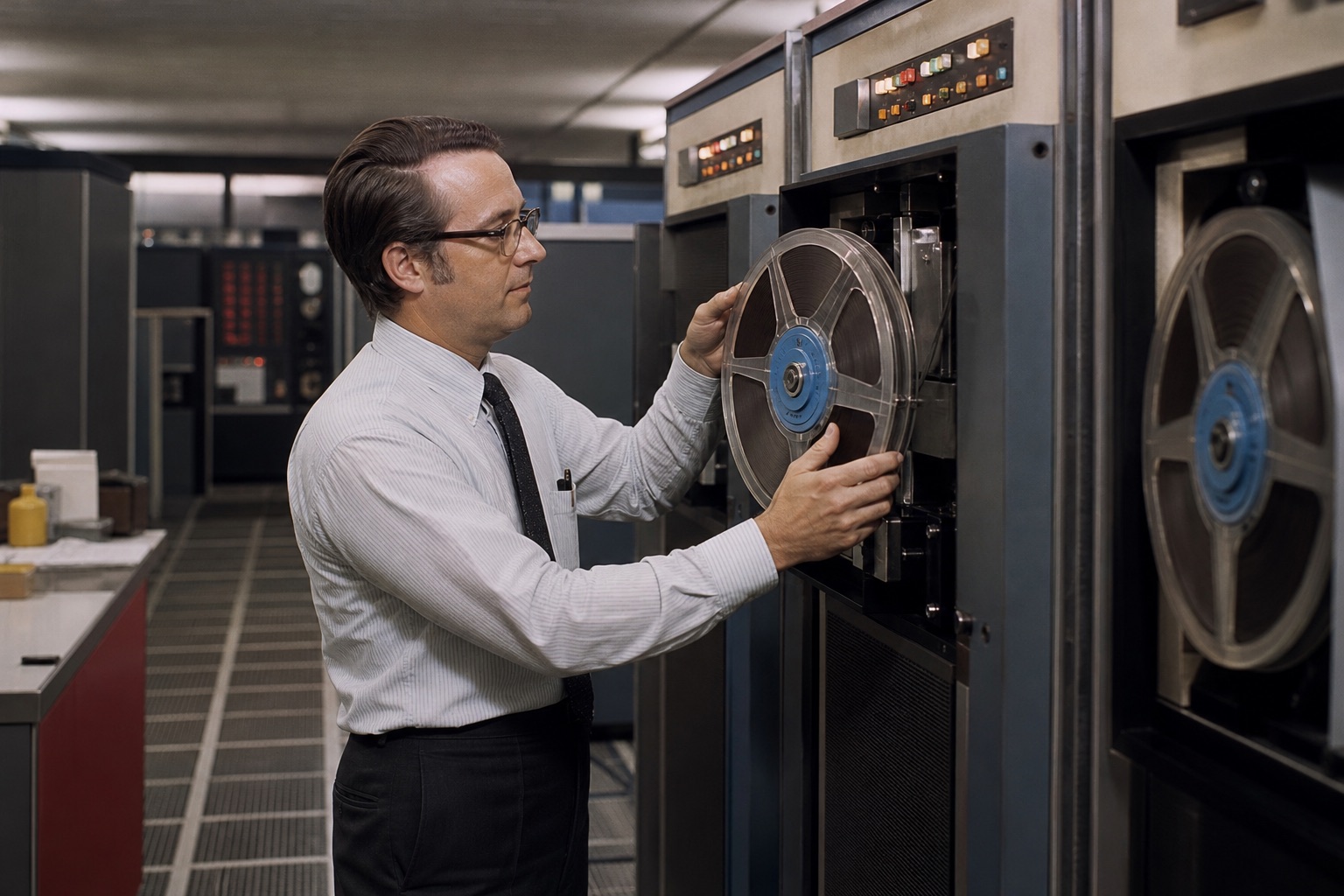 Past · Late Twentieth CenturyMainframe OperatorThe mainframe operator of this exhibit is the person in the raised-floor machine room who mounted tapes, started batch jobs, and answered the console. Glass walls made the room a show, which is why people called it a glass house. Reels went on drives, disk packs went into drawers, and a printer hammered through boxes of paper while the operator watched messages and typed the replies the system demanded. Programmers wrote the jobs. The operator made the night's queue actually run.
The decades are the 1960s through the 1980s. Automation, smaller machines, and later site-reliability roles replaced that chair. They did not abolish every kind of operations work. A later engineer who tends a service from a laptop is a different job, and this label refuses the claim that nobody operates computers anymore. It is the glass-room shift, the tapes, and the console, and no wider empire beyond that room.
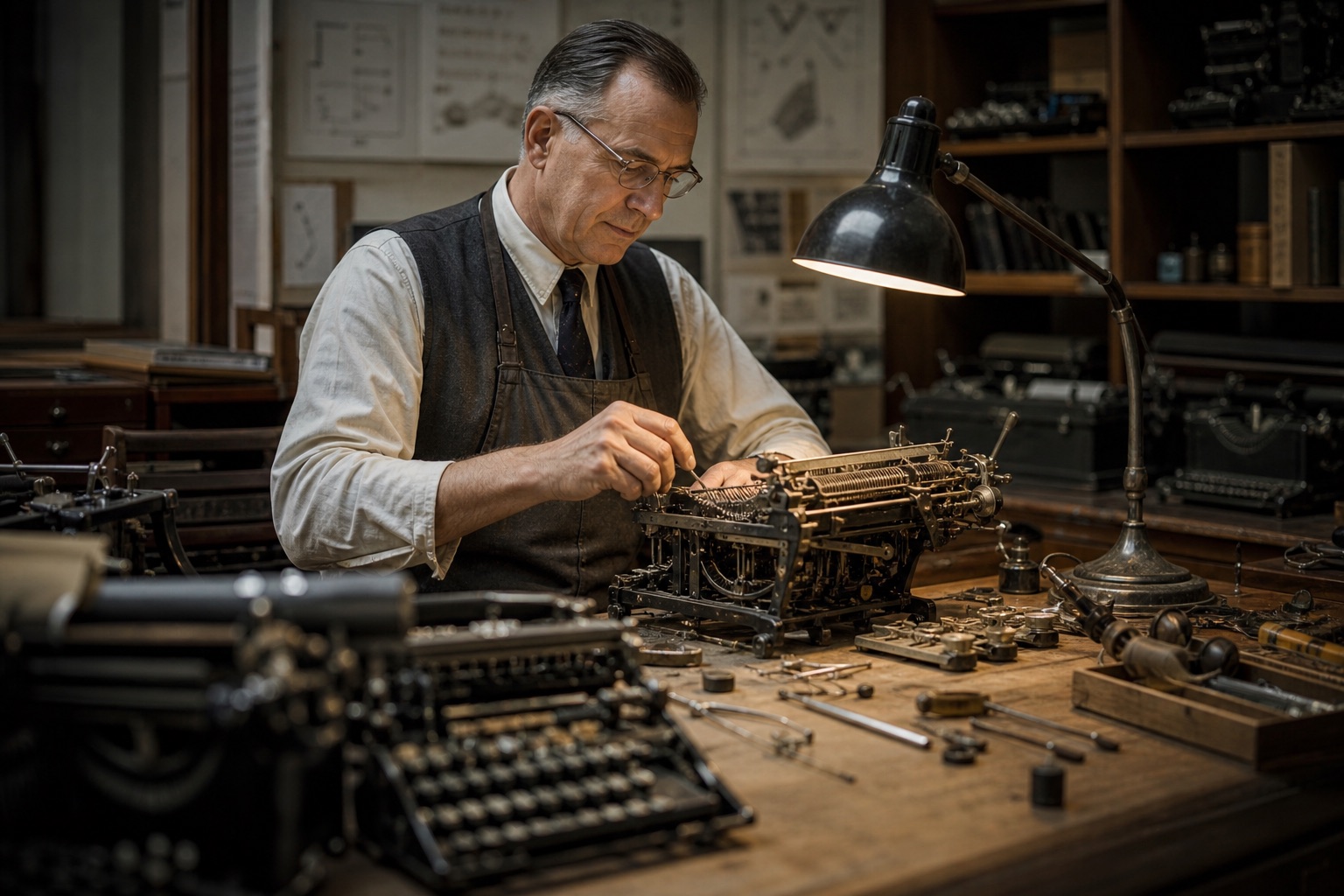 Past · Late Twentieth CenturyTypewriter RepairmanA typewriter repairman was the traveling or shop mechanic who kept office typewriters writing. He arrived with a case, cleaned a segment packed with eraser crumbs, replaced a broken drawband, aligned type that no longer struck in a straight line, and recovered or replaced a platen that had gone hard. Underwood, Remington, Royal, and the rest each had their own screws. The IBM Selectric, from 1961, added a golf-ball element and a different set of failures, and he learned those too if the route included them.
The job is a twentieth-century service trade that ends in the 1980s, when word processors and personal computers took the desks. A shop might still oil a machine for a loyal customer after that. The ordinary call, an office full of typewriters that had to be back before the mail, belongs to the decades when the typewriter was the instrument of the office and not a curiosity kept for show.
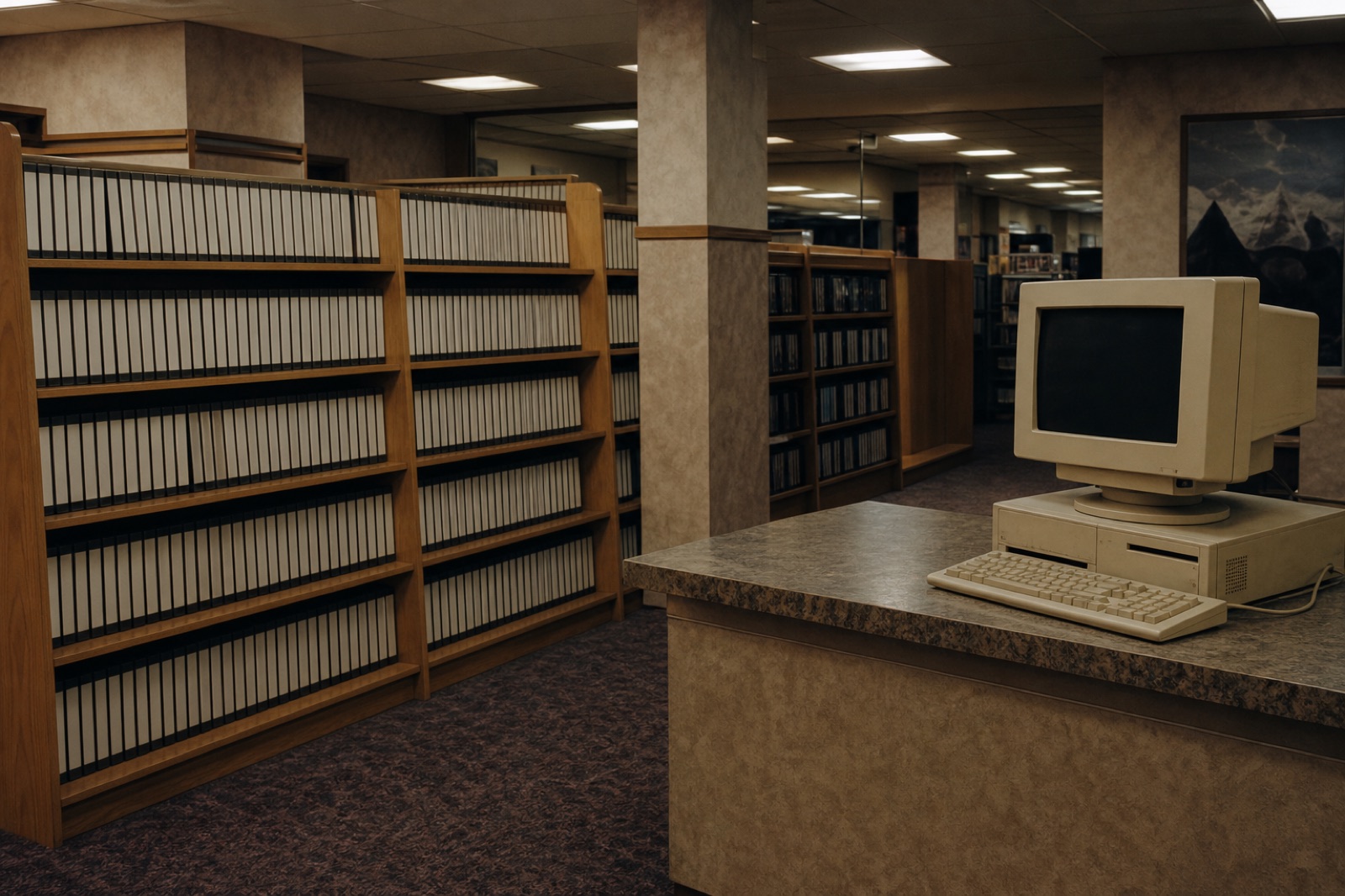
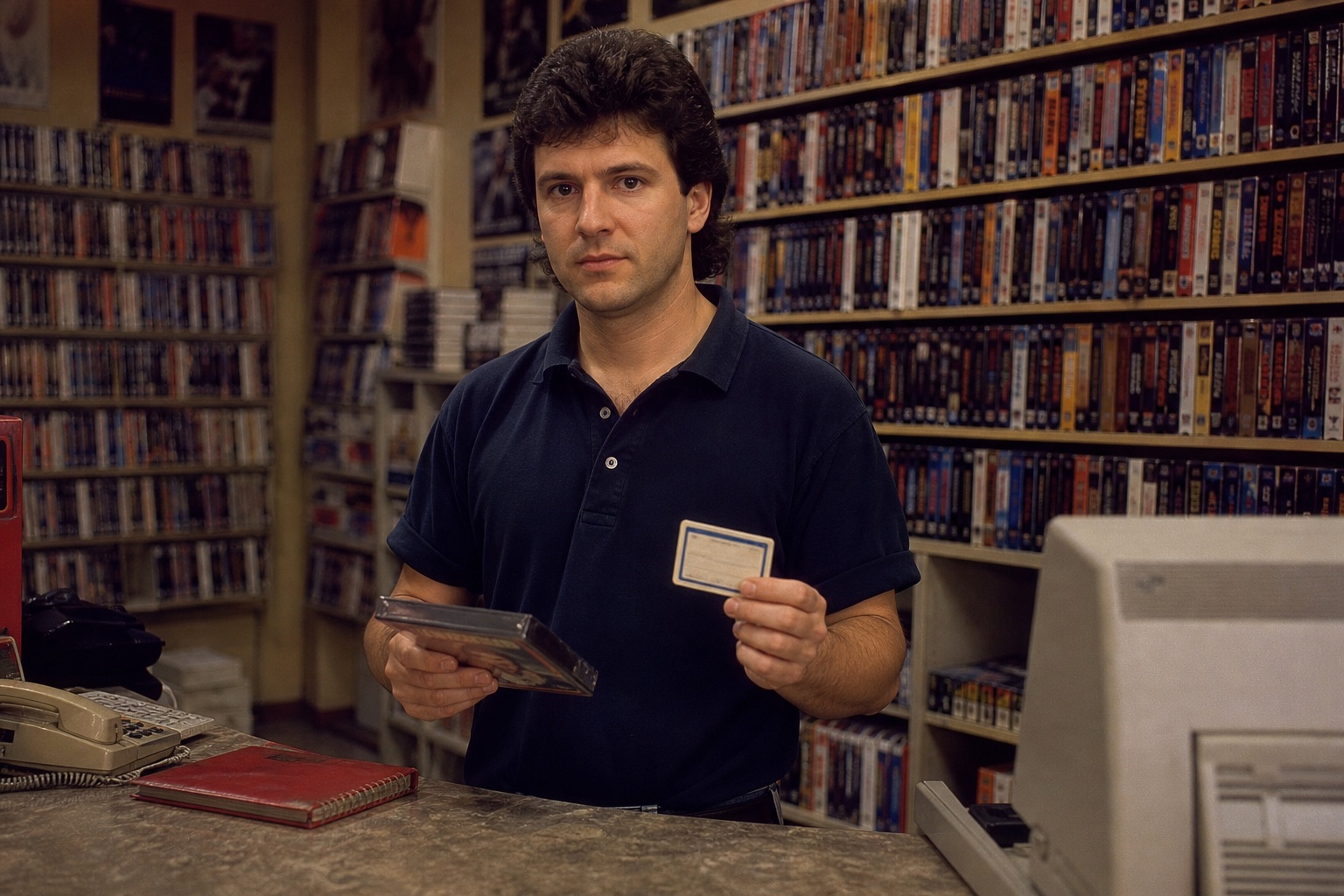 Past · Late Twentieth CenturyVideo Rental ClerkA video rental clerk stood the counter of a shop that rented movies, first on VHS and then on DVD, in independent stores and in chains such as Blockbuster. A membership card had to be on the account before a tape or a disc left the shop. The new-release wall, close to the door and priced for a short rental, held the titles people had come for; older stock filled the cheaper aisles behind it. Late fees, a charge for each day past the due date, were the argument at the register and the store's money, not the clerk's. On VHS the counter also cared whether the cassette had been rewound.
The trade runs from the late 1980s through the 2000s. DVD-by-mail and then streaming emptied the wall and ended the counter. Independents often kept the actual tape behind the desk and put an empty box on the shelf; chains later put the live case on the floor in a lock. Either way the clerk's work was the card, the due date, and the case. This exhibit stays inside that shop.