
machine
Railways and their smaller crews
What the railway did to the road, and what diesel and radio did to the railway.
Stagecoaches lost the mail. Keels and coal whips lost the transfer. Brakemen lost the roof. Firemen lost the boiler. The force is one network with two generations of endings.
Under this force
6
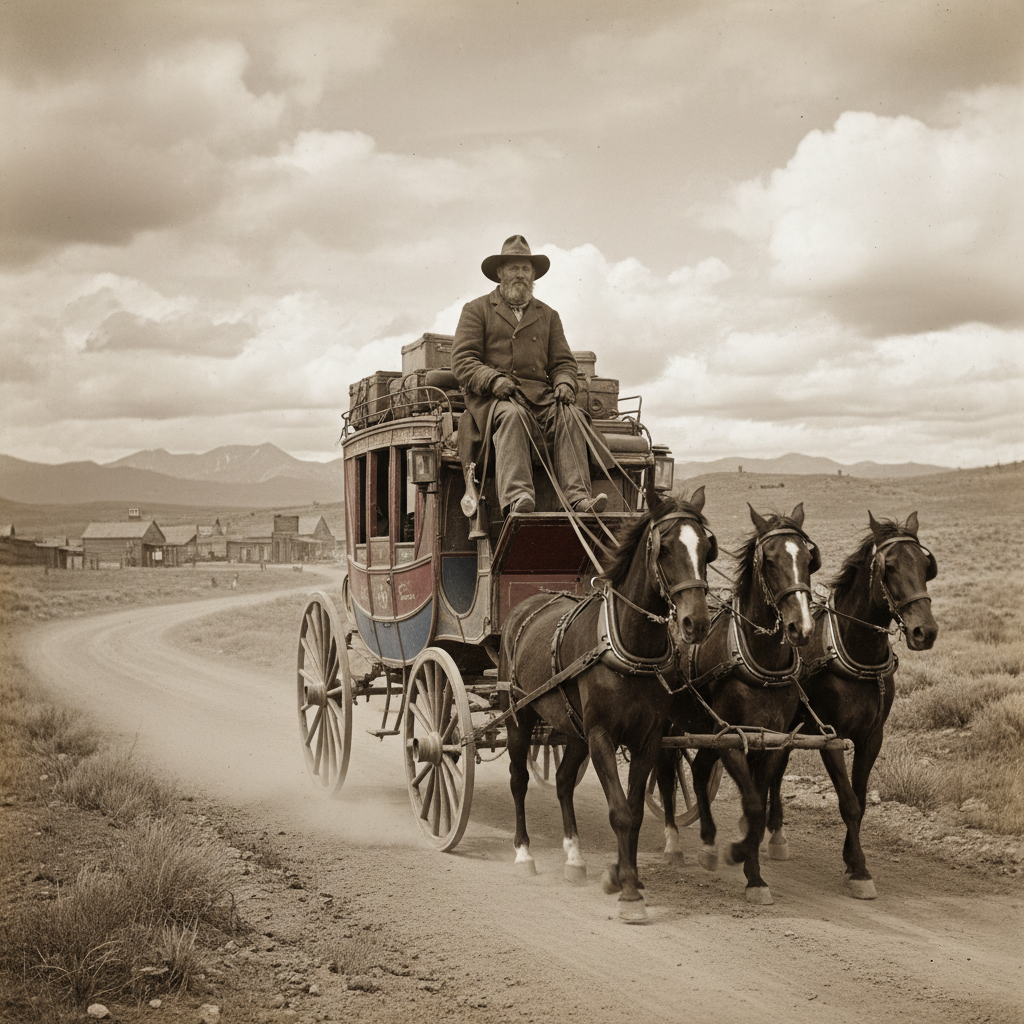
- Past · 19th CenturyStagecoach DriverThe stagecoach driver, a vital figure in the 19th century, was responsible for transporting passengers and goods across vast distances in horse-drawn coaches. These drivers navigated rugged terrains, often through treacherous weather conditions, ensuring the safety and comfort of their passengers. The stagecoach itself was a marvel of engineering, designed to carry multiple passengers and their luggage, while the driver skillfully managed a team of horses, often up to six, to pull the heavy vehicle. The role required not only a deep understanding of the horses and the coach but also an intimate knowledge of the routes, including potential hazards such as rough roads, rivers, and bandit-infested areas. Stagecoach drivers were often seen as the lifeline of communication and commerce in the expanding American West, connecting remote settlements with urban centers and facilitating the movement of mail and goods.
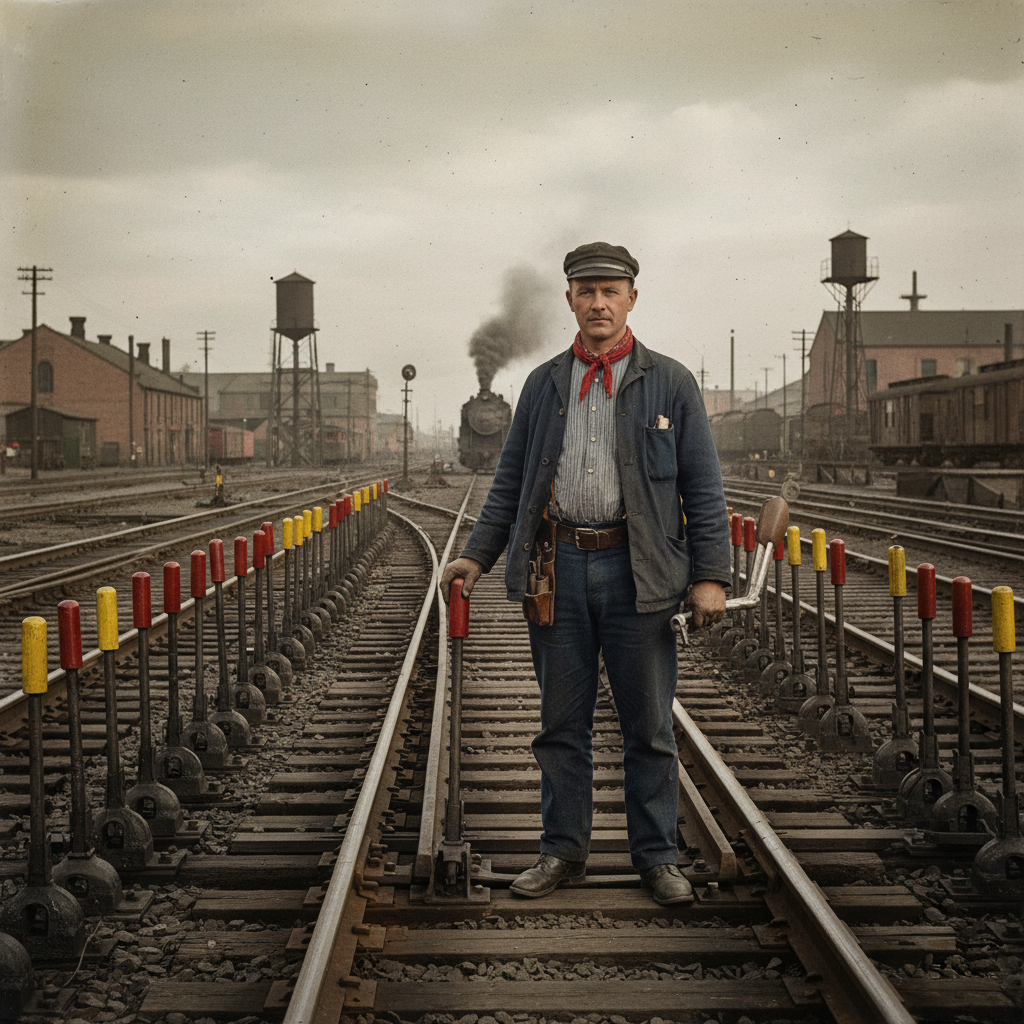 Past · Industrial RevolutionSwitchmanThe role of a switchman was pivotal in the operation of railroads during the Industrial Revolution, a period marked by rapid industrial growth and the expansion of rail networks. Switchmen were responsible for directing the movement of trains by operating track switches, which allowed trains to change tracks and navigate complex rail systems. This job required a keen understanding of the rail network, as well as the ability to communicate effectively with engineers and conductors. Switchmen often worked in pairs or teams, coordinating their actions to ensure the safe and efficient movement of trains. They were also tasked with monitoring signals and ensuring that tracks were clear of obstructions, making their role critical to the safety of rail operations. The job was often performed in all weather conditions, requiring physical stamina and alertness, as switchmen had to be ready to respond quickly to changing circumstances on the tracks.
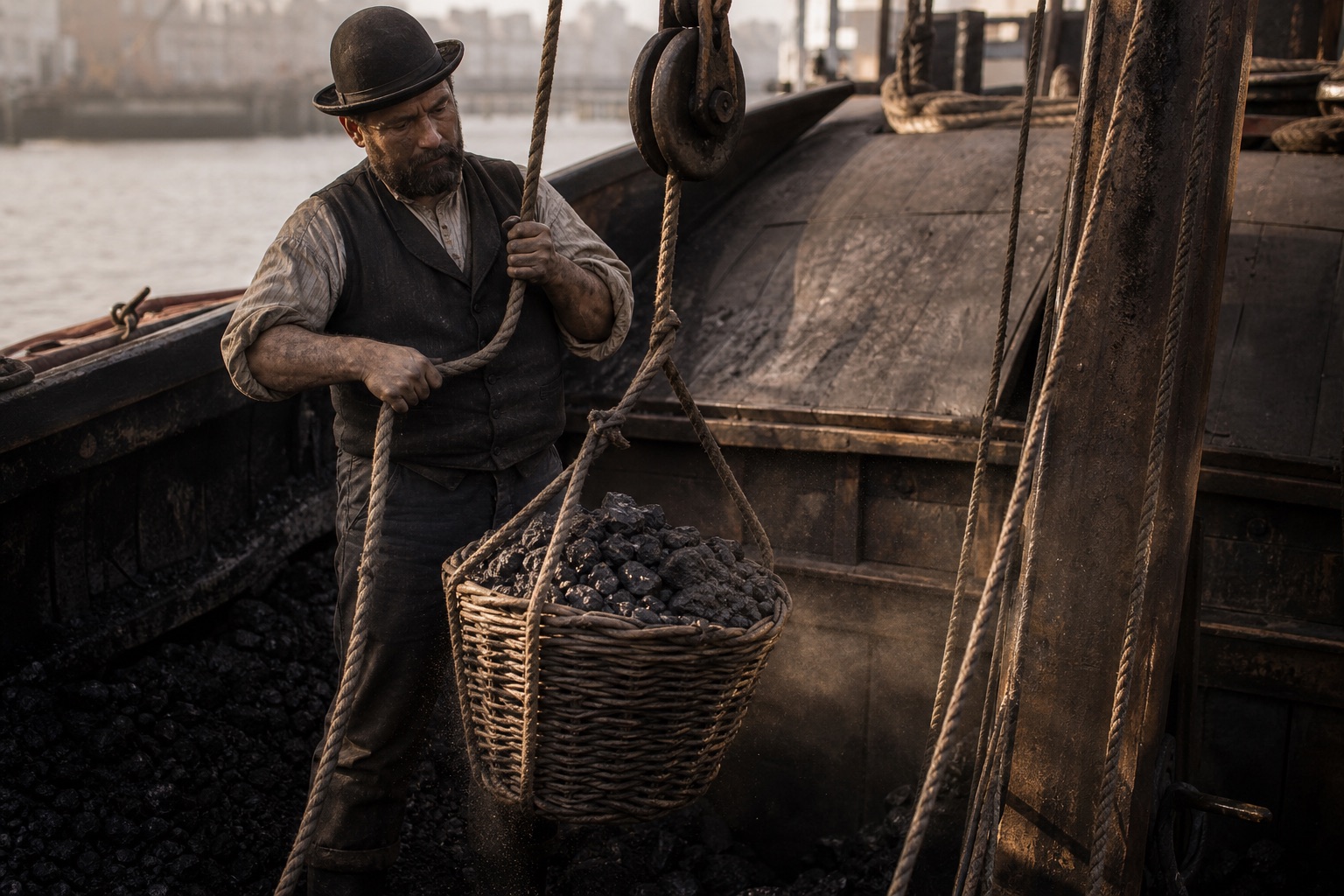 Past · Victorian EraCoal WhipperCoal reached London in colliers and left them in baskets. A coal whipper stood in a gang and hoisted those baskets out of the hold with a whip, a rope through a pulley, worked by the men's weight as they jumped down from a staging. It was the standard way of unloading a coal ship in the port before hydraulic cranes and tips. The gang was hired by the ship, paid by the ton, and often controlled by a publican who took his cut before the men saw theirs.
Parliament noticed. The Coal Whippers Act of 1843 set up a register office so that gangs were called in turn and the publican's hold on the work was broken. The act did not save the trade. Steam cranes, and then the hydraulic coal tips that emptied a wagon straight into a barge, did the jumping for them.
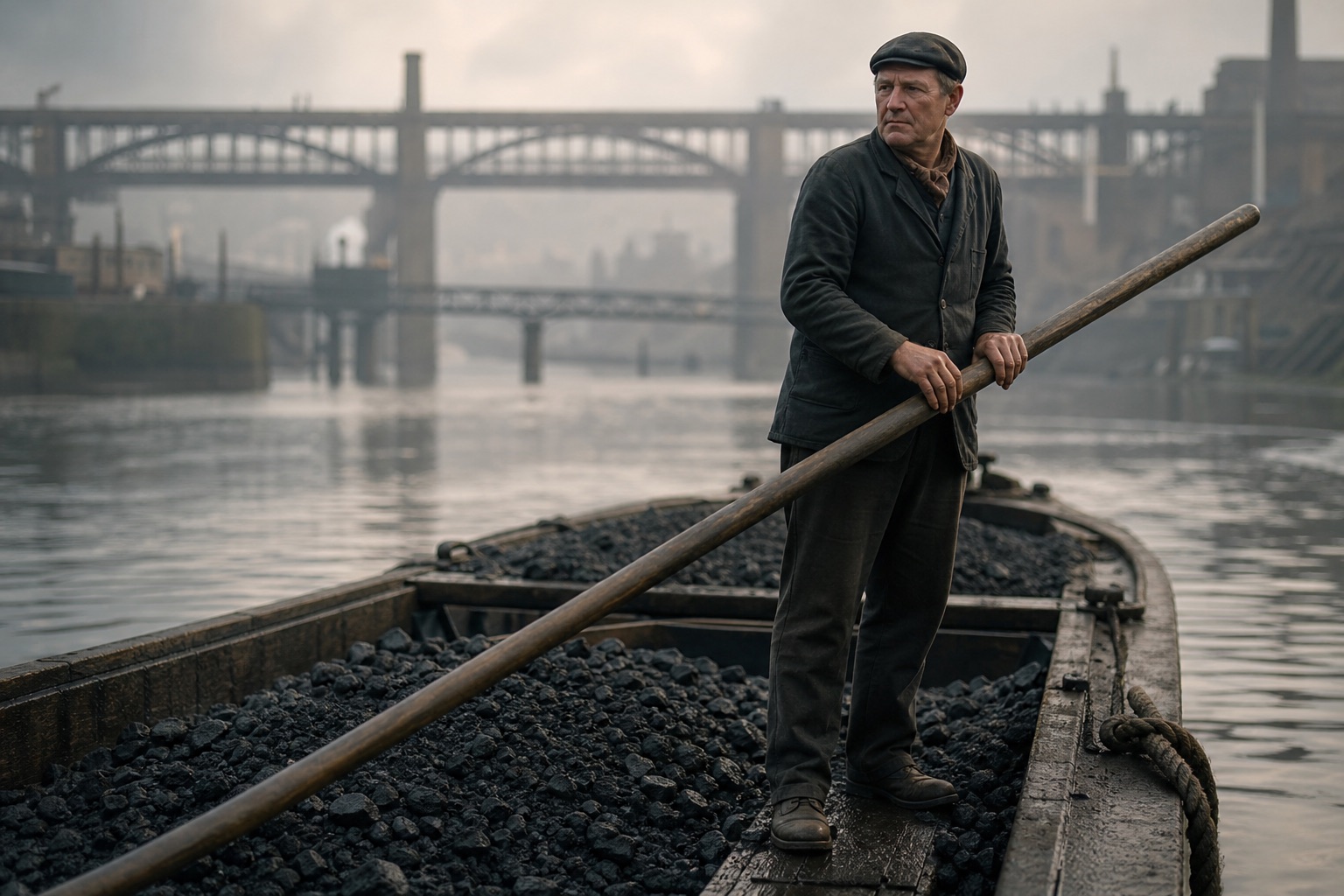 Past · Industrial RevolutionKeelmanA keel was a blunt, heavy barge, and a keelman was one of the crew that took coal down the Tyne from the upriver staiths to the colliers waiting in deeper water. The boat was too clumsy for a sail in that crowded river. The men drove it with a long sweep, a great oar worked over the side, and they lived in the Sandgate when they were not on it.
The keelmen were a closed community with their own society, their own hospital, and a habit of striking when the coal owners tried to cut the load or bypass them. The strike of 1819 is the famous one. It did not stop the staiths, the spouts, and the railways from eventually dropping coal straight into the ships. When the river no longer needed a barge in the middle, the keel went with it.
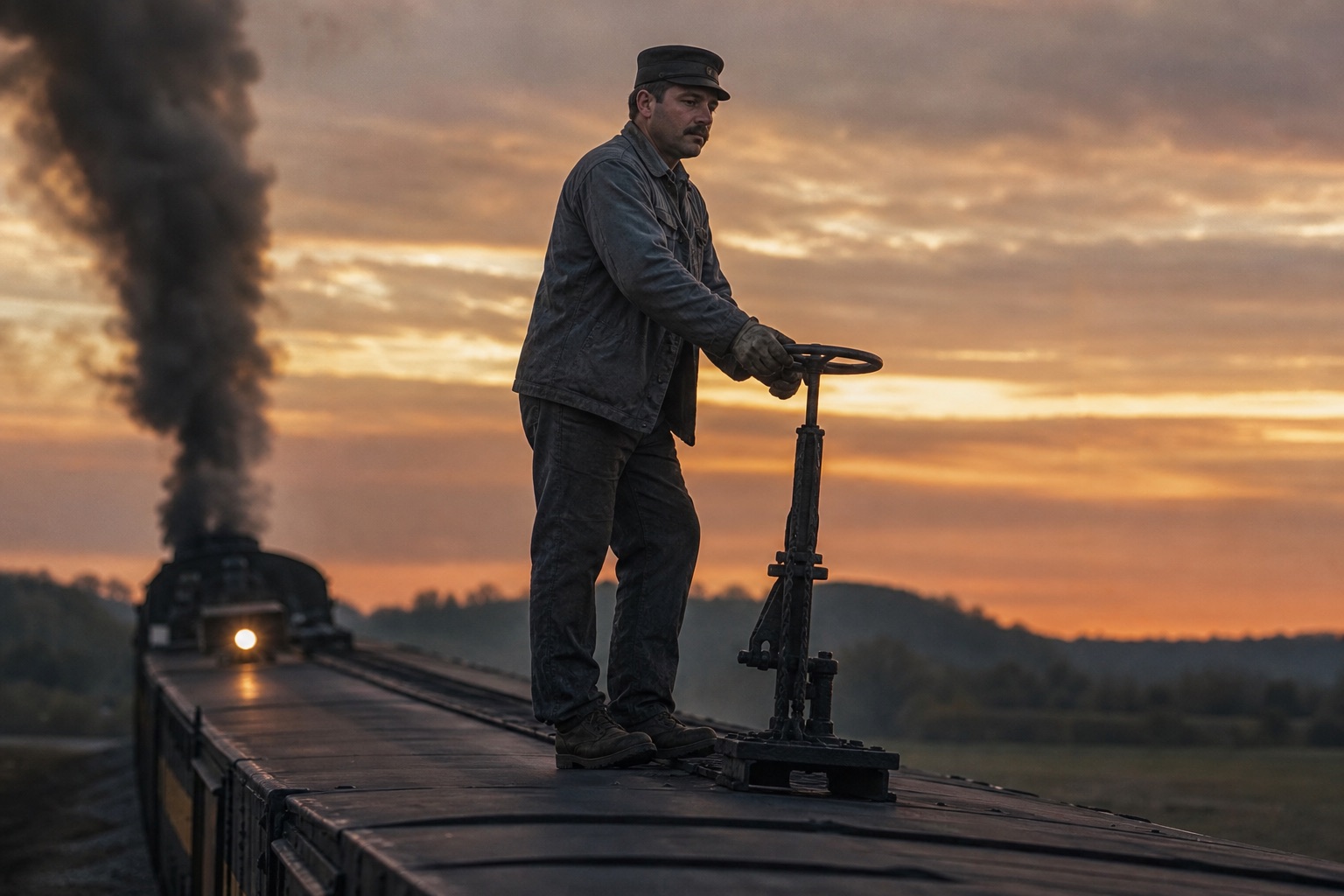 Past · Mid Twentieth CenturyBrakemanThe brakeman in this exhibit is the American railroad man who coupled cars and set brakes from the roof and from the ground, before air brakes and during the long years when they were still spreading. With link and pin he went in between the cars. With a hand brake he climbed to the running board and wound wheels while the train moved. A lantern and a brake club were ordinary kit, and the caboose was his base once the train was on the road. The Westinghouse air brake and the automatic knuckle coupler, pressed by federal safety law in the 1890s, reduced that roof walk without retiring the craft.
Local freights and yards still needed him on the ground for decades after the roofs grew quieter. Radio and diesel road practice ended the classic form of the job. A later conductor carrying a radio was not a man on car tops in the weather. The danger of the older method was severe enough to write safety law, and it can be stated honestly without a list of injuries. This label is United States practice: roof, pin, and ground.
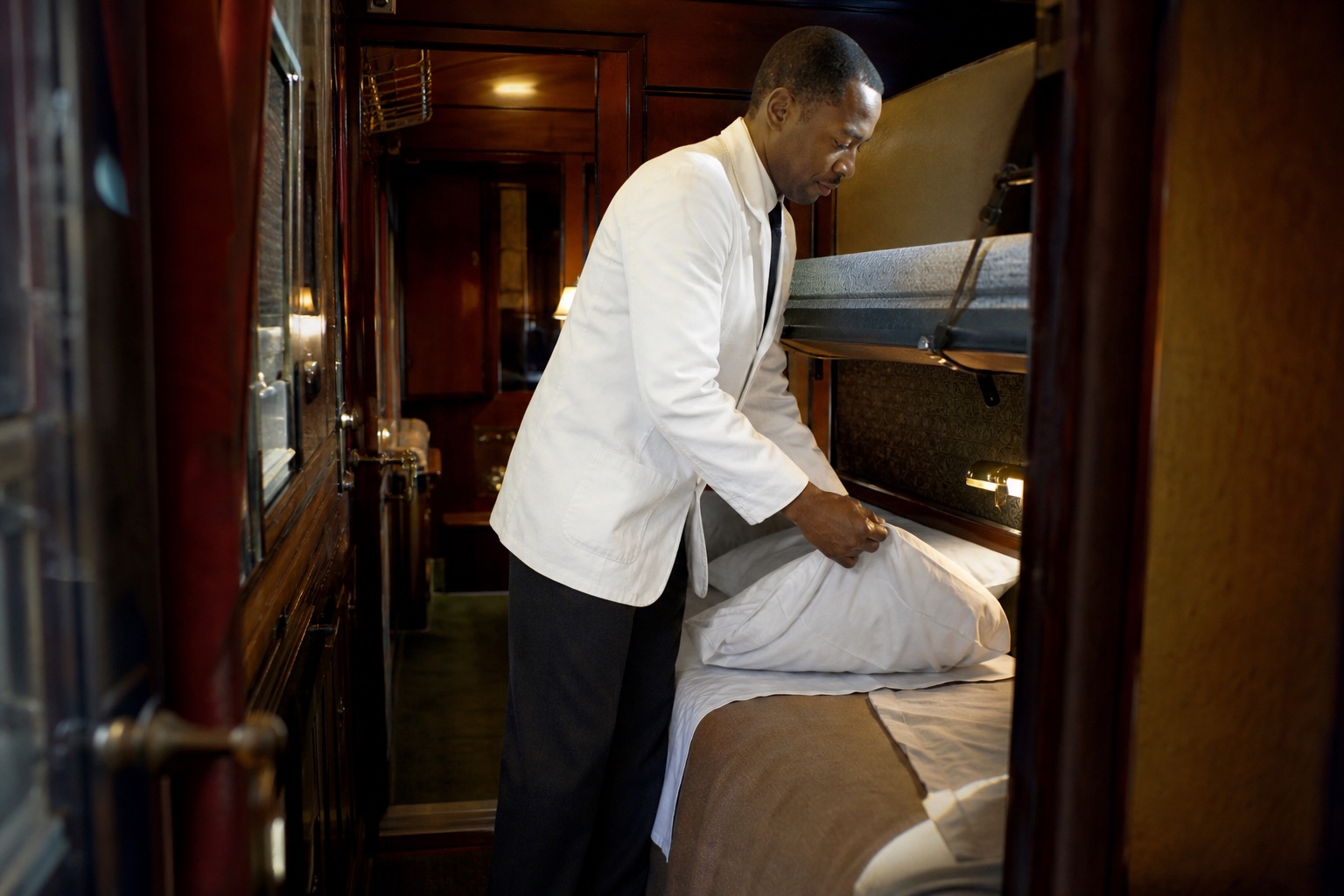 Past · Mid Twentieth CenturyPullman PorterA Pullman porter was the attendant on a Pullman sleeping car in the United States. He made up berths, kept the linen and the car, handled luggage, woke passengers, and stayed with the trip for as long as the schedule ran. The company hired Black men for the post by policy, and the work became one of the best-known service jobs in Black America: skilled, public, and tightly ruled. Tips were not a charming extra. They were a large part of pay because the wage was kept low, and the men who did the work named that arrangement as a grievance.
Philip Randolph and the Brotherhood of Sleeping Car Porters, founded in 1925 and recognized in 1937, made dignity and the wage a contract. Maids on some cars, often Black women, were a separate grade, and this label does not fold them into the porter's title. Overnight trains then thinned. After Pullman's operating business was separated from manufacturing, the cars passed toward the railroads and were gone from most roads by the late 1960s. The exhibit speaks of the porter in plain speech, without a borrowed dialect.