
Projected
The energy transition
Work attached to fuels, batteries, and machines that pull carbon from the air.
These jobs count energy in and energy out. A capture plant, a battery claim, and a seabed mine are different trades with the same duty to say where the material went.
In this period
3
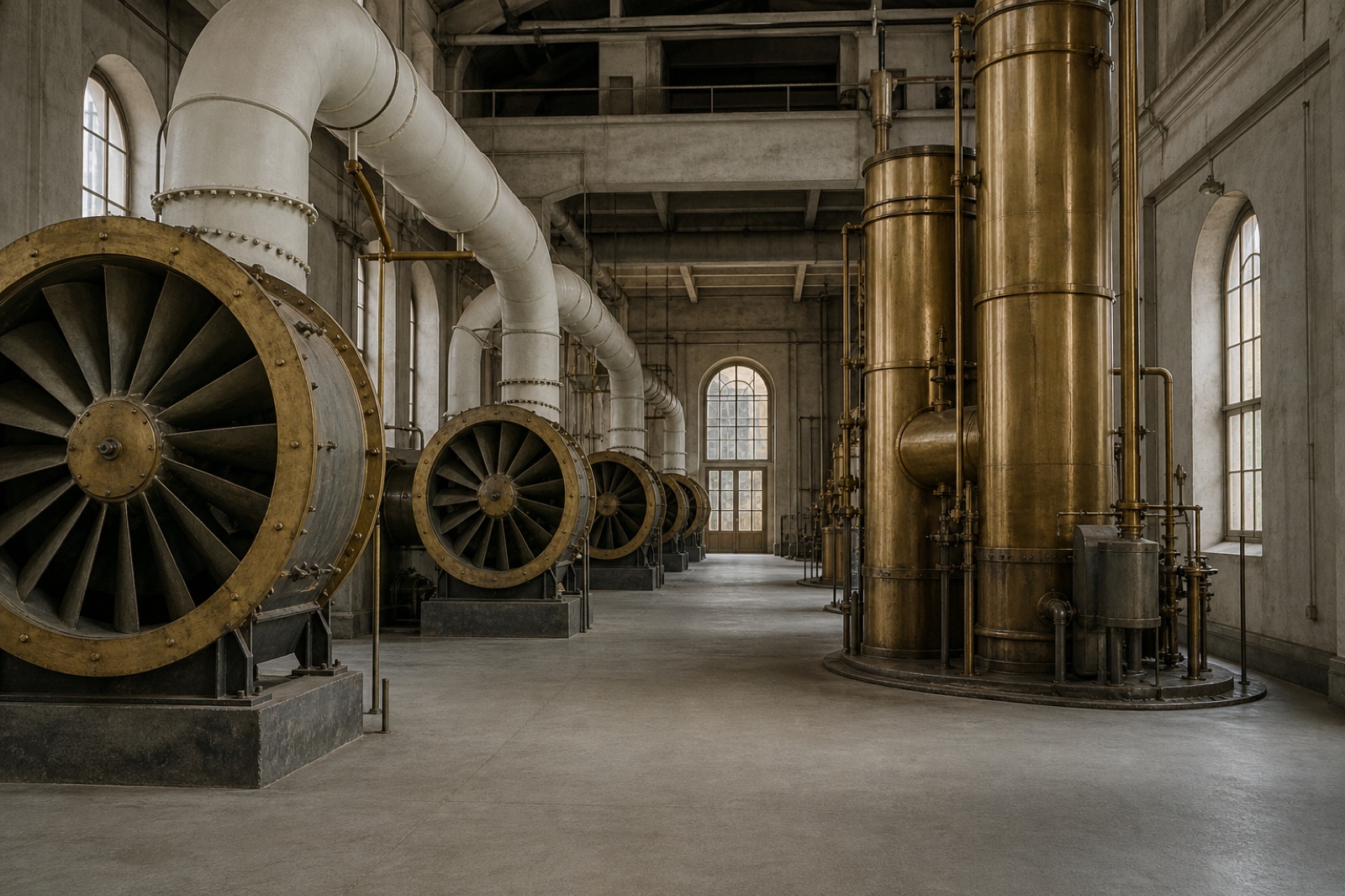
 Projected · Energy Transition EraOcean Mining TechnicianAs humanity seeks to meet the growing demand for rare minerals and metals essential for renewable energy technologies, the role of the Ocean Mining Technician emerges as a vital occupation in the Energy Transition Era. This job involves the extraction of valuable resources from the ocean floor, including rare earth elements, lithium, and other minerals critical for batteries, solar panels, and wind turbines. Ocean Mining Technicians operate advanced underwater drones and remotely operated vehicles (ROVs) equipped with cutting-edge technology to explore and harvest these resources while ensuring minimal environmental impact.
The Ocean Mining Technician is not just a miner; they are a steward of the ocean, balancing the need for resource extraction with the imperative to protect marine ecosystems. This role requires a deep understanding of oceanography, geology, and environmental science, as well as proficiency in operating sophisticated machinery and data analysis tools. Technicians work closely with marine biologists and environmental scientists to monitor the health of the ocean and implement sustainable practices in their operations.
In this future landscape, the Ocean Mining Technician plays a crucial role in the global shift towards sustainable energy, contributing to the development of technologies that will power the world while safeguarding the planet's most precious resources.
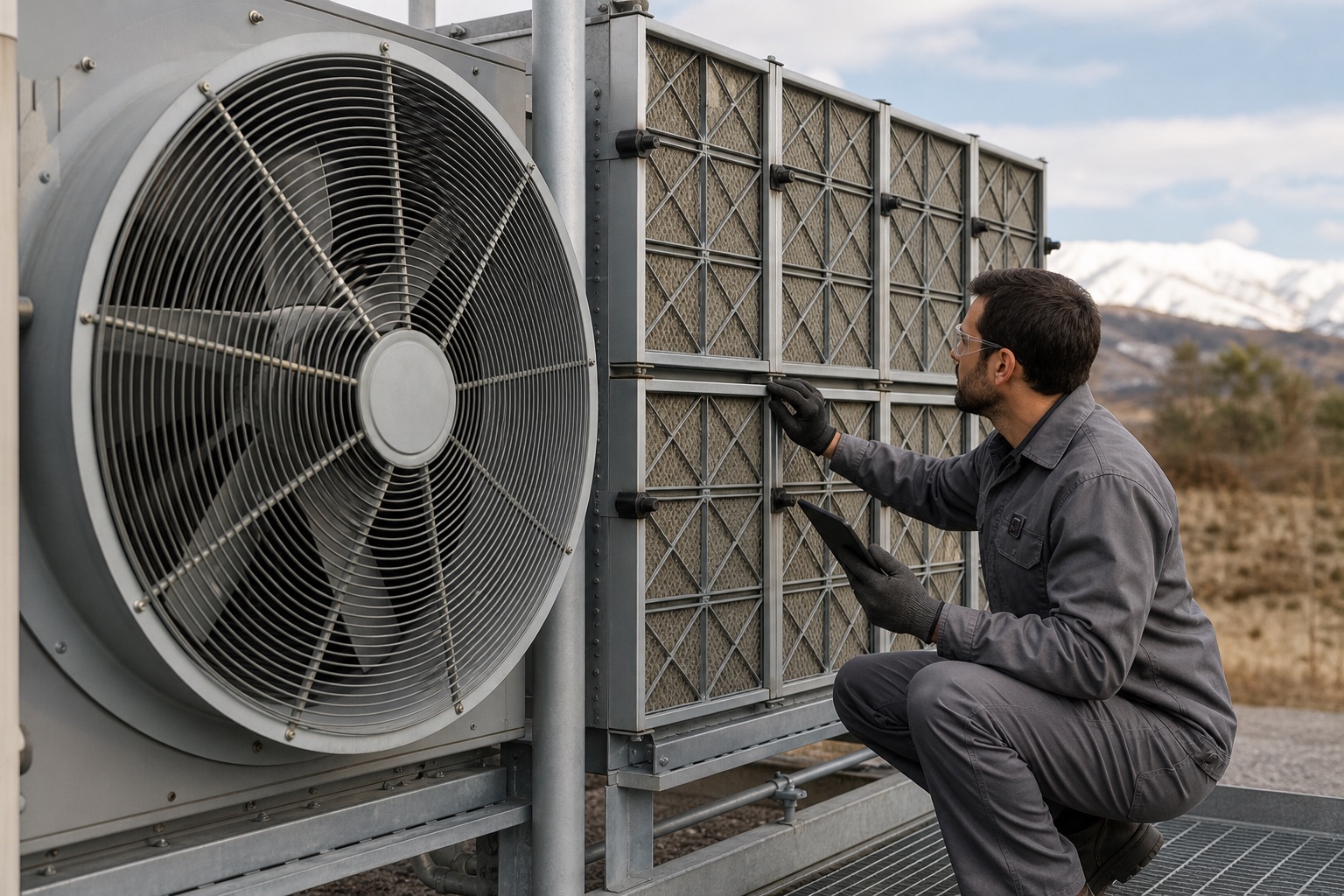 Projected · Energy Transition EraDirect Air Capture TechnicianThe direct-air-capture technician keeps a plant that pulls carbon dioxide from open air in working order. The day is fan walls, contactor vessels, sorbent or solvent, process heat, water, and the meters that show whether the energy spent was honest against the gas caught. Humidity, frost, and a loaded filter change the capture rate before a dashboard admits it. The technician walks the fans, listens for a bearing, samples the sorbent, and logs the steam or electricity that regeneration actually used.
The captured gas still has to go somewhere. It is dried, compressed, and either mineralized in rock, injected into a permitted reservoir, or sold into a use that may return it to the air. A plant that reports tons while burning a dirtier fuel for heat is putting on a display, and the technician is often the first person who can see that in the shift log. The exhibit asks visitors to leave with the machine as it is: already built in a few places, still small beside a power station, and still judged by storage, water, and the power bill.
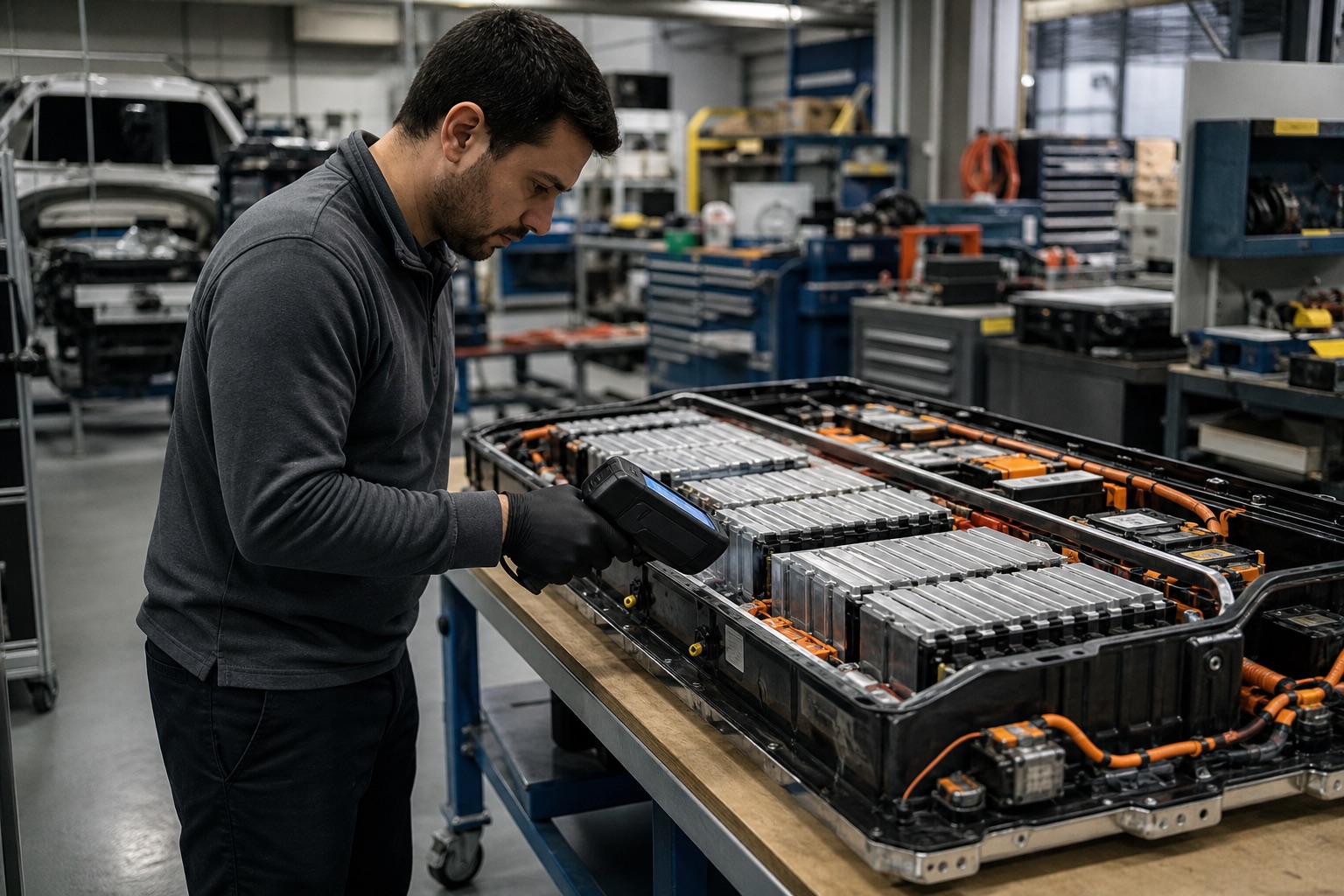 Projected · Energy Transition EraBattery Passport AuditorThe battery-passport auditor checks a digital record against a physical battery and against the paperwork that claims to explain it. The European Union battery regulation gives that record a legal shape: where the materials came from, how much recycled content is claimed, what carbon figure is attached, and which battery is actually in the crate. The auditor reads the passport, then the label, the mass, the format, and the supplier declarations, and asks whether those accounts describe one object.
The usual failure is a clean code on a cell whose cobalt, lithium, nickel, or carbon claim does not survive the file underneath. Recycled content is a measurement with a method. Origin includes mines and refiners that are inconvenient to document. A carbon figure changes with the boundary someone chose to draw around the factory. The auditor writes the mismatch where it is. A pass means the sample and the papers agreed on the points that were checked.