
Projected
Climate adaptation
Work that exists because weather, coasts, and harvests no longer match the old plan.
Planners, growers, and keepers are dealing with a physical change, not a new interface.
Some of these methods are already in use. Others are projections, and each exhibit says which.
In this period
6
 Projected · Climate Adaptation EraVertical Farm ManagerAs urban populations swell and climate change intensifies, the role of the Vertical Farm Manager emerges as a vital profession in the Climate Adaptation Era. This innovative job is at the intersection of agriculture, technology, and sustainability, focusing on the management of high-rise farms that utilize advanced hydroponics, aeroponics, and artificial intelligence to produce food in urban environments. Vertical farms, often located in repurposed buildings or purpose-built skyscrapers, are designed to maximize space and minimize resource use, providing fresh produce to city dwellers while reducing the carbon footprint associated with traditional farming methods. The Vertical Farm Manager oversees all aspects of these farms, from crop selection and growth cycles to the integration of smart technologies that monitor and optimize plant health. This role not only requires a deep understanding of agricultural science but also a keen awareness of urban ecology and community needs, making it a multifaceted and dynamic career.
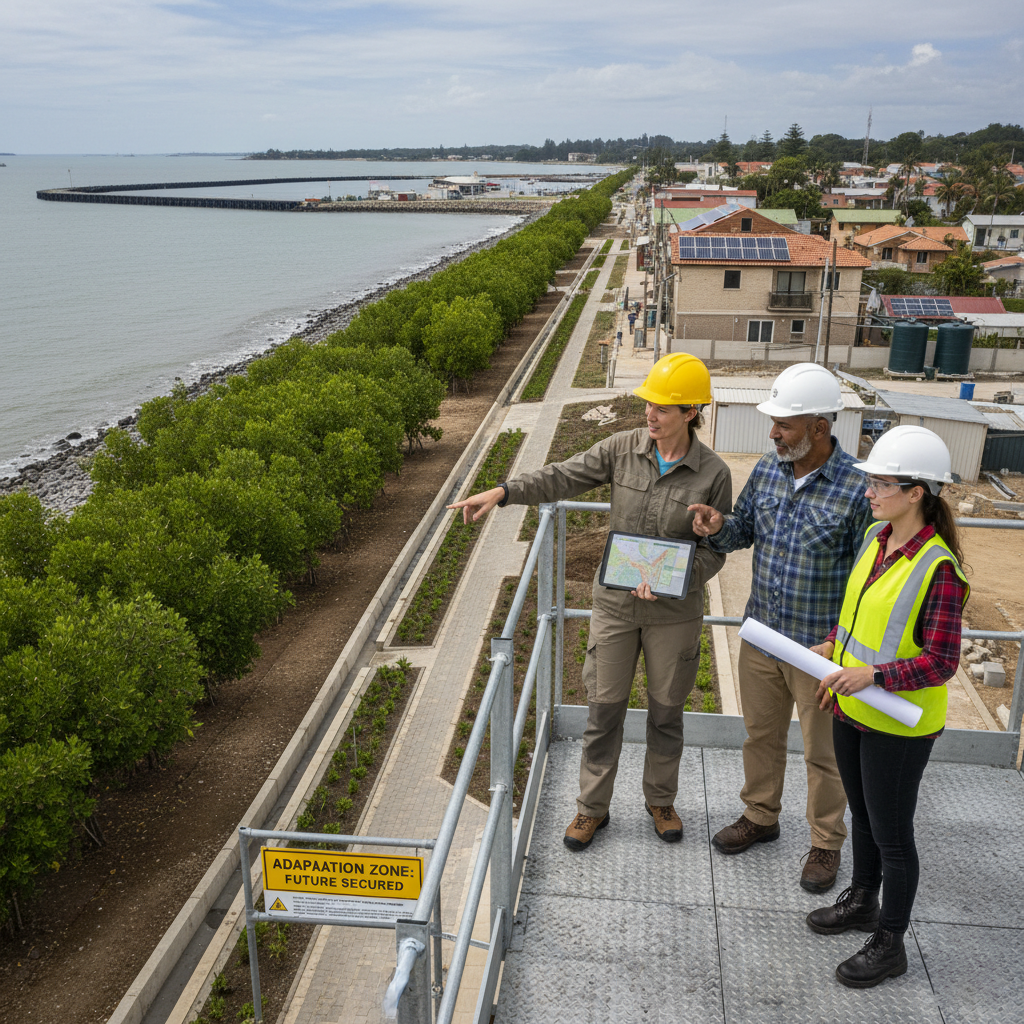 Projected · Climate Adaptation EraClimate Adaptation SpecialistAs the world grapples with the profound impacts of climate change, the role of the Climate Adaptation Specialist emerges as a beacon of hope and innovation. These specialists are tasked with developing and implementing strategies that help communities, ecosystems, and economies adapt to the changing climate. They work at the intersection of science, policy, and community engagement, ensuring that vulnerable populations are equipped to face the challenges posed by rising sea levels, extreme weather events, and shifting agricultural patterns.
In this role, specialists analyze climate data, assess risks, and collaborate with local governments, NGOs, and businesses to create sustainable solutions. They might design urban green spaces that mitigate flooding, develop policies that promote resilient infrastructure, or lead educational initiatives that empower communities to take proactive measures. The Climate Adaptation Specialist is not just a planner; they are a visionary, crafting a future where humanity can thrive despite the uncertainties of a warming planet.
 Projected · Climate Adaptation EraCircular Economy StrategistIn the Climate Adaptation Era, the role of a Circular Economy Strategist emerges as a pivotal force in reshaping industries and communities towards sustainability. This innovative profession is dedicated to designing and implementing systems that minimize waste, maximize resource efficiency, and promote the continual use of materials. Circular Economy Strategists work at the intersection of environmental science, economics, and social responsibility, crafting strategies that not only benefit businesses but also contribute to the health of our planet. They are the architects of a new economic model that prioritizes regeneration over depletion, ensuring that products are designed for longevity, reuse, and recycling. As advocates for sustainable practices, they engage with stakeholders across various sectors, from manufacturing to retail, to foster a culture of sustainability that permeates every level of the supply chain.
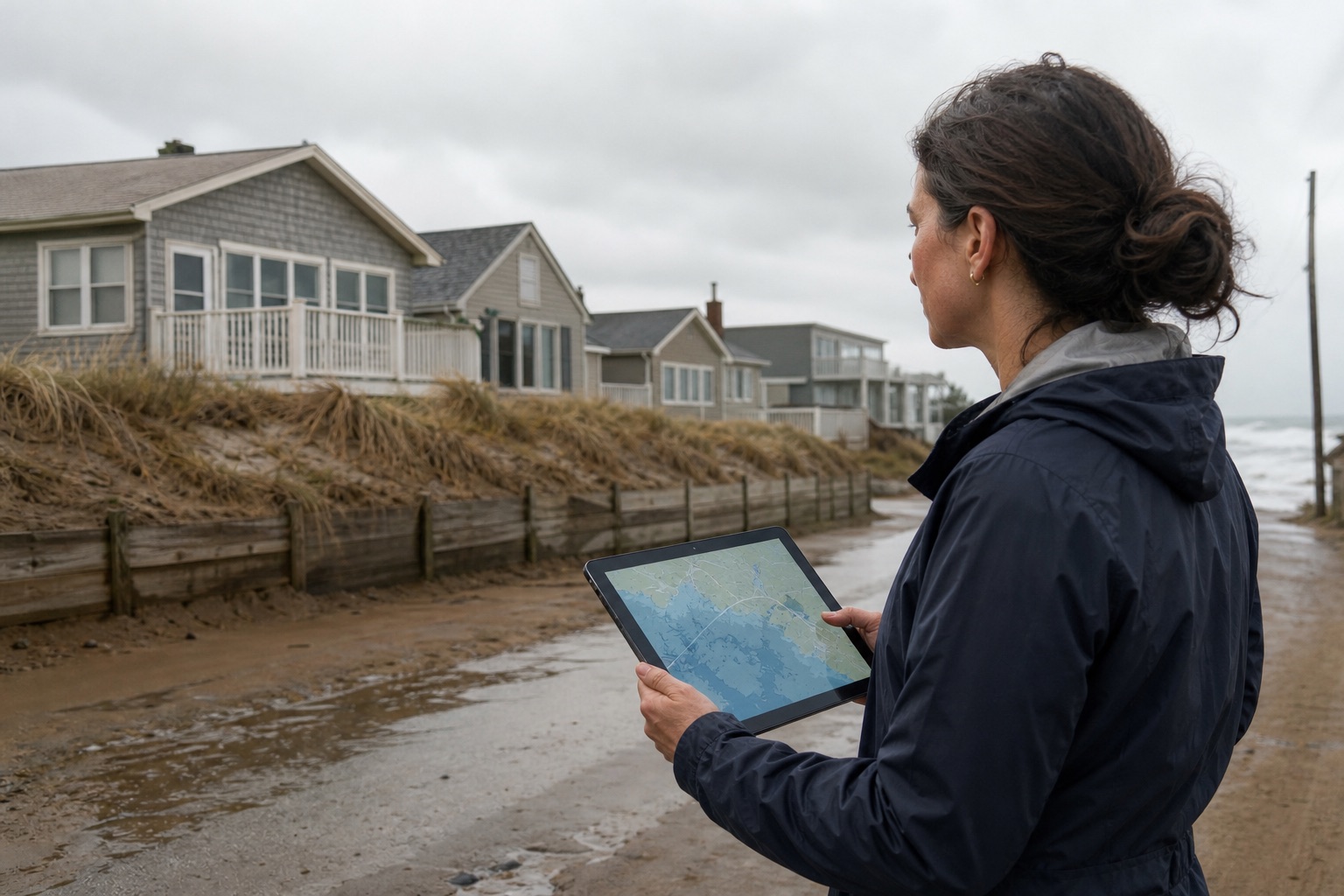 Projected · Climate Adaptation EraManaged Retreat PlannerThe managed-retreat planner works where a shore or a floodplain cannot be held for the life of the people who live there. The tasks are practical and slow: buyout offers, house elevation, and relocation to ground that stays dry, carried out with residents, insurers, and public agencies. A map that moves a line is the easy object. The hard object is a street of owners, renters, heirs, and people who intend to stay in the house they have.
Equity is the part that makes the job real rather than a planning exercise. Buyouts have paid owners and left tenants. Appraisals have come in low in neighborhoods that were already underpriced. Tribal and coastal communities have been asked to move on a grant calendar. The planner's work is to put those facts in the same file as the flood map, and to say who keeps a place, who is paid to leave, and who is merely told to go. Cases already on the shelf include Isle de Jean Charles, the move from Newtok to Mertarvik, and the Oakwood Beach buyouts after Sandy.
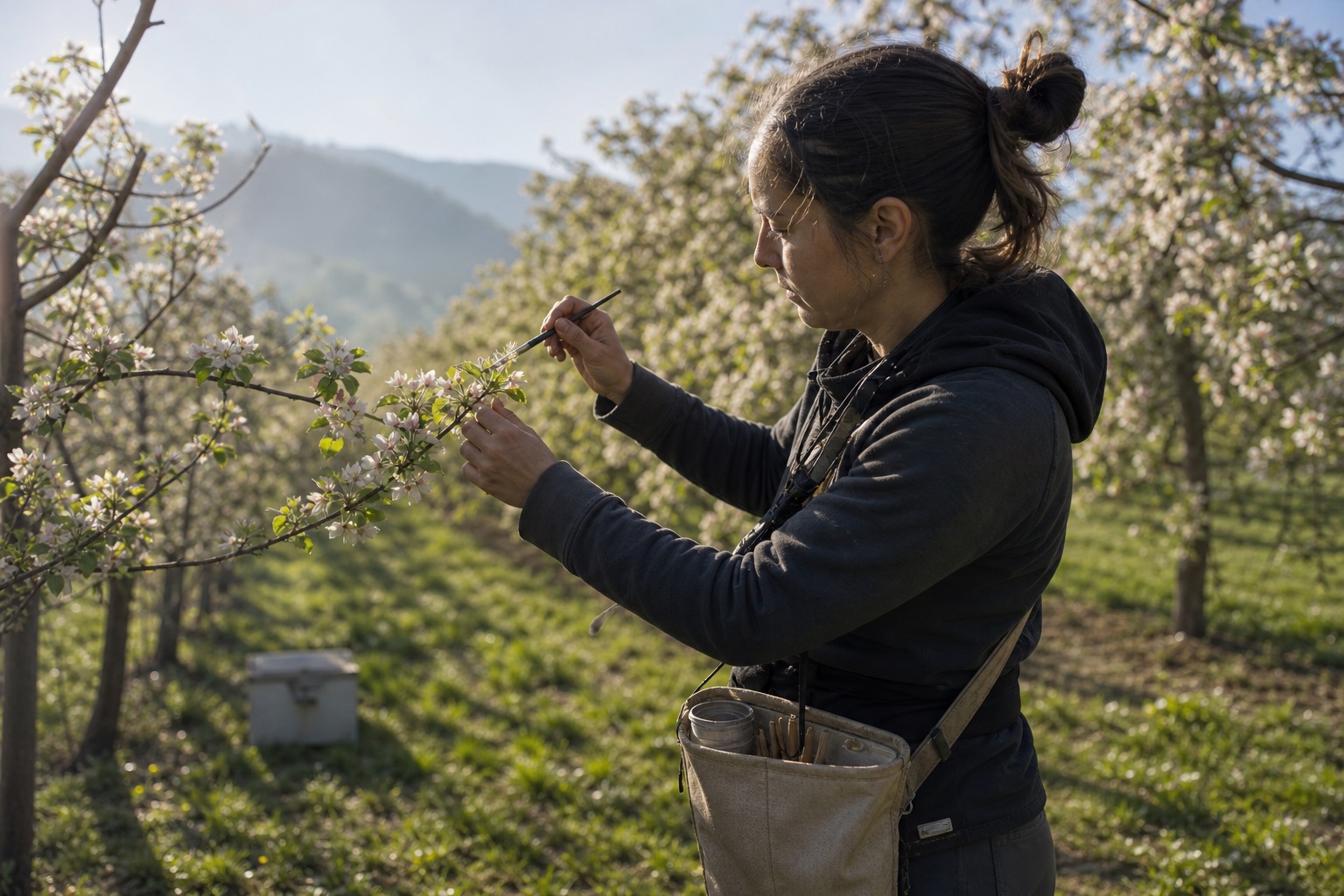 Projected · Climate Adaptation EraHand-Pollination TechnicianThe hand-pollination technician does by hand what an insect did not do, or what no local insect was ever going to do. On a vanilla vine the flower opens for a morning, and a small stick or needle has to lift the flap that separates pollen from stigma, a gesture taught on Réunion in 1841 and still the way commercial vanilla is set. In pear and apple districts in parts of China, crews move through the bloom with pollen and brushes because visits are too few, or the variety needs a partner planted in another row.
Honeybees and wild bees are still in the world. This is orchard and vine work, already old in vanilla and already ordinary in some Chinese fruit counties, paid close to the ground. The technician's care is the flower in that hour. Habitat for insects remains necessary work beside it.
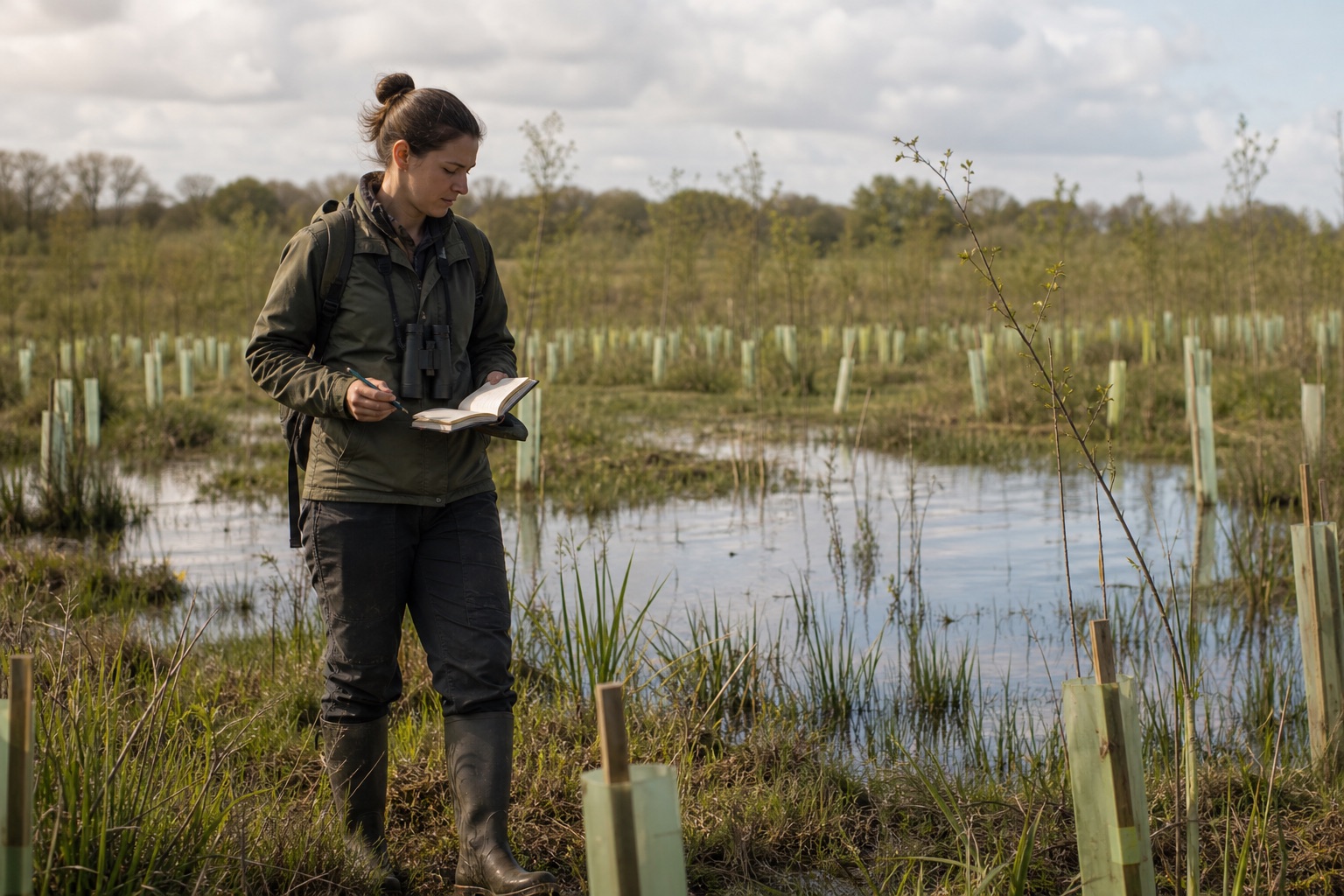 Projected · Climate Adaptation EraRewilding TechnicianThe rewilding technician is the person on the ground at a restoration site after the idea has been announced. Grazers may stand in for missing herds. Fences still have to hold, ditches and small dams still decide where the water sits, and someone still walks a transect and writes the count that the camera traps and the mud actually support. Neighbors keep livestock on the other side of that fence, and a breach means a visit, an apology, and a repair before it means anything in a paper.
The work looks gentle in photographs and is mostly weather, stock, and records. The Knepp estate in Sussex shows what a long experiment can bring back in birds and insects. Oostvaardersplassen in the Netherlands showed what happens when winter, hunger, and public trust are left out of the plan. The technician records the animals, the water, and the fence, including the weeks when the project is unpopular and the count is dull or worse.