
machine
Diesel, oil, and the end of the coal fire
Boilers and locomotives that stopped burning coal by the shovel.
Stokers and firemen. Charcoal's earlier loss to mineral coal is the preface. The diesel is the last chapter of a fuel being handled by hand.
Under this force
4
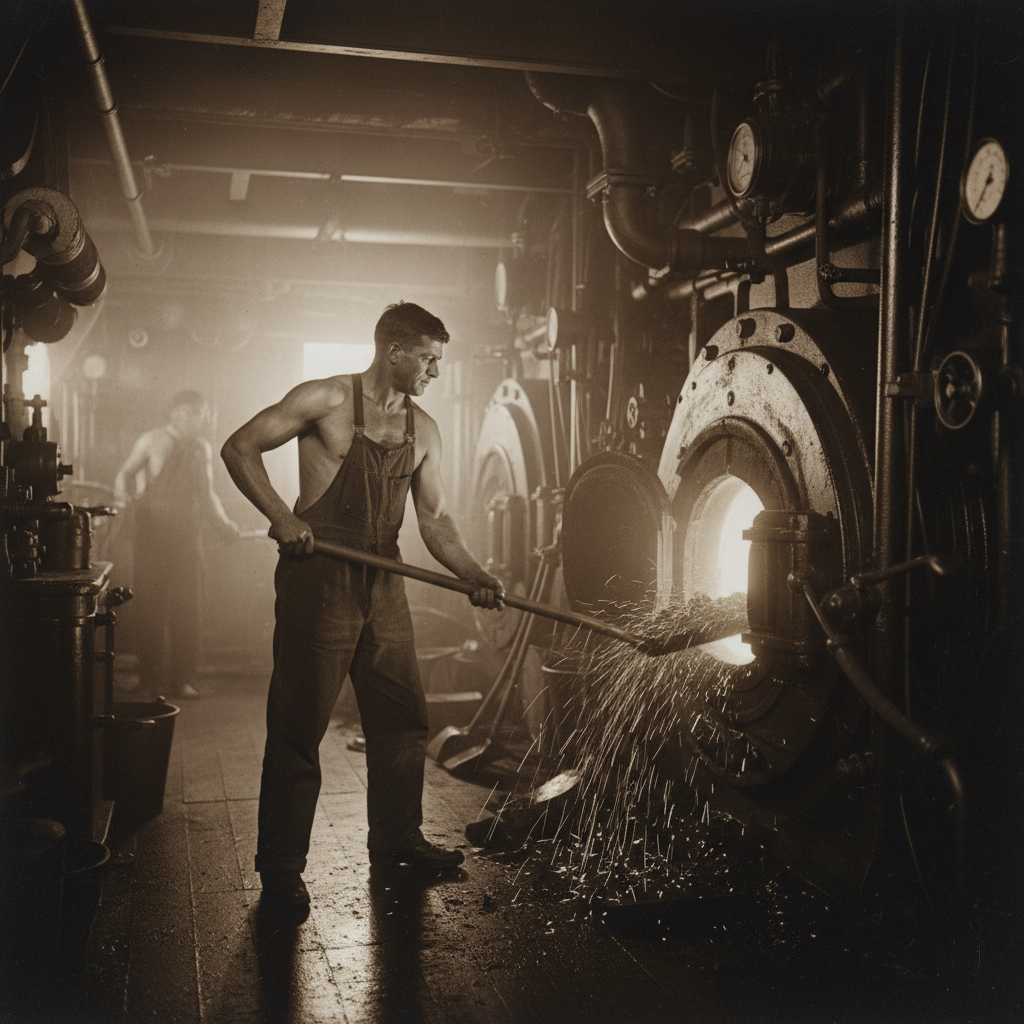
- Past · Industrial RevolutionCoal StokerThe coal stoker was a vital role during the Industrial Revolution, responsible for feeding coal into steam boilers that powered locomotives, ships, and factories. These workers were the unsung heroes of the industrial age, ensuring that the engines of progress ran smoothly. The job required physical strength and endurance, as stokers often worked in hot, cramped, and dark conditions, shoveling coal into the fireboxes of boilers to maintain the necessary temperature for steam production. The stoker's work was crucial for the operation of steam engines, which were the backbone of industrial transportation and manufacturing during this period. The job was labor-intensive and often dangerous, with workers exposed to high temperatures, coal dust, and the risk of burns or injuries from heavy equipment. Stokers were typically employed in coal-fired power plants, on ships, and in factories, where they played a key role in the efficiency of steam-powered machinery. As the Industrial Revolution progressed, the demand for coal stokers grew, but so did the mechanization of the industry, leading to significant changes in the workforce.
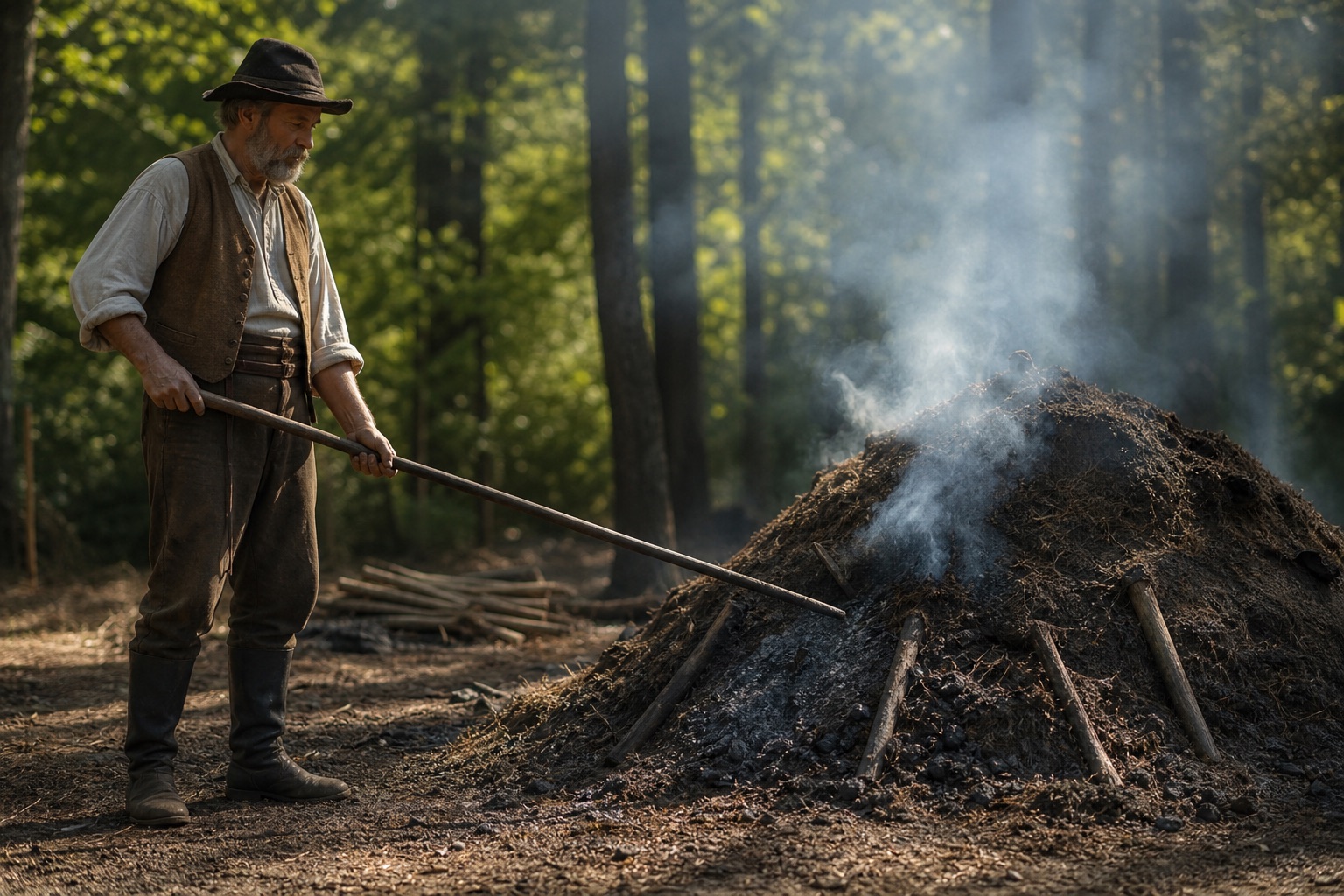 Past · Medieval EraCharcoal-BurnerThe charcoal-burner, the collier of the woods, was not a coal miner. He stacked cordwood from the coppice into a mound, covered it with straw, turf, and earth, and set it to smoulder rather than to flame. Too much air and the stack burnt to ash, which nobody would buy. Too little and the sticks stayed half raw. He slept in a hut beside the clamp, sometimes for several days, opening and closing vents as the smoke changed colour, and he stopped leaks in the mound with a fresh sod before a bright spot could run away. When the heap had cooled he raked out black coal and bagged it for the furnace, the powder mill, or the brazier.
Coppice woods in the Weald, the Forest of Dean, the Wyre, and a hundred smaller falls were cut on a cycle of years so that underwood, not the great timber trees, supplied him. The craft runs from medieval woodland custom into the late nineteenth century, long after Abraham Darby's coke had begun to feed furnaces. Mineral coal took the domestic grate. Coke took the ordinary blast furnace. In the nineteenth century, enclosed retorts carbonised wood in iron vessels and collected tar and acid along with a cheaper charcoal. The clamp in the coppice could not match that price. The last burners were remnants, coaling for hop kilns, braziers, and a few special trades, not for the ironworks that had once kept the woods smoking.
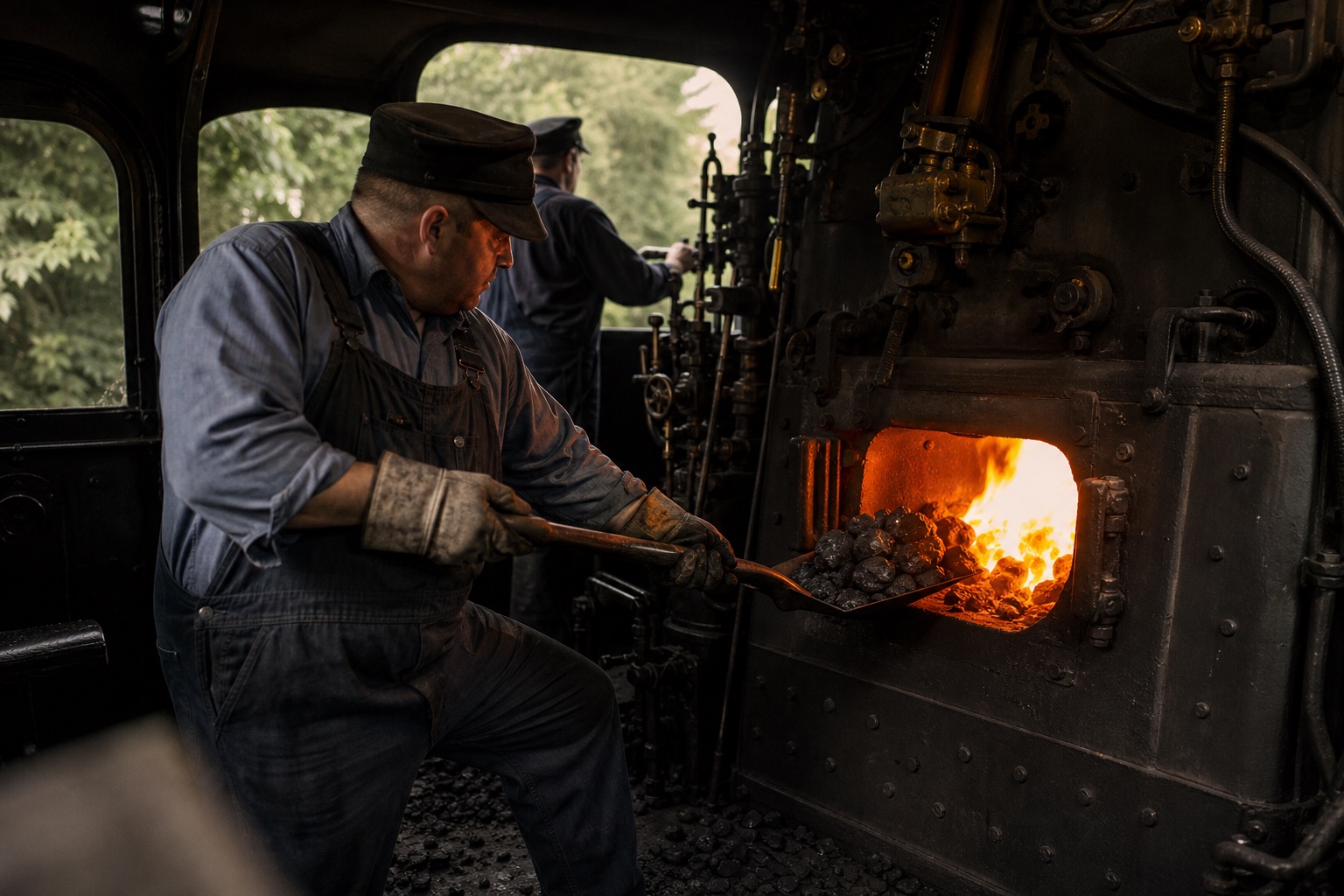 Past · Mid Twentieth CenturyLocomotive FiremanThe locomotive fireman was the second person on a steam engine, the one who fed the fire and watched the boiler while the engineer ran the train. On a coal burner that meant a shovel, a firebox door, and a footplate that punished a lazy fire with falling steam. On an oil burner the feed was a valve and a flame, and the watch on water and pressure remained. The water glass, the injector, and the gauge were his instruments together with the shovel. He was half the engine crew, not a passenger and not a shed cleaner.
This exhibit is that steam fireman. American roads dieselized through the 1940s and 1950s and had largely finished with main-line steam by the early 1960s. British Rail ran its last main-line steam in 1968. Some agreements kept a second person on diesel crews afterward, and that helper did not feed a fire or mind a boiler. The label stops where the fire stops. Yard switchers and branch engines used the same watch on the glass.
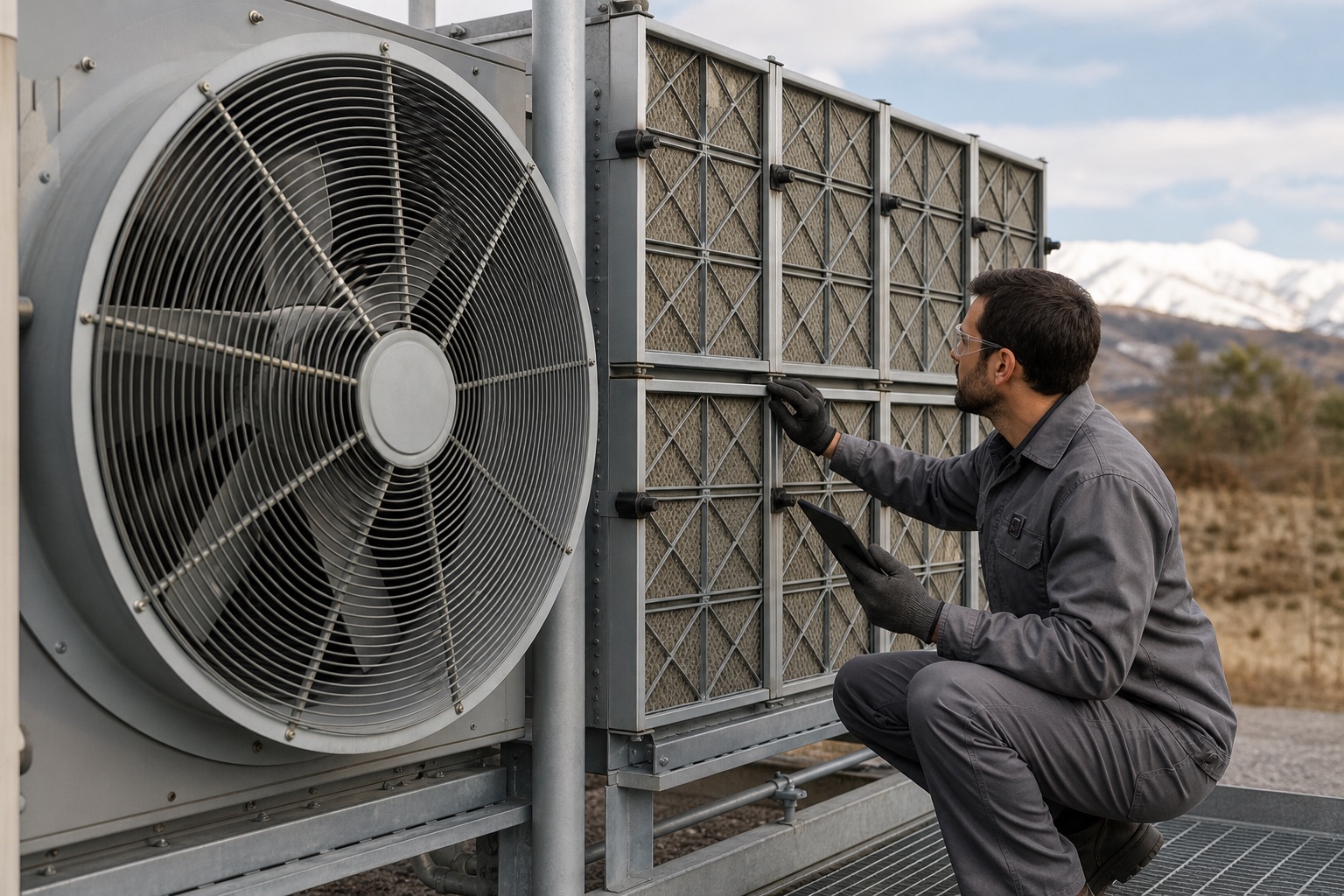 Projected · Energy Transition EraDirect Air Capture TechnicianThe direct-air-capture technician keeps a plant that pulls carbon dioxide from open air in working order. The day is fan walls, contactor vessels, sorbent or solvent, process heat, water, and the meters that show whether the energy spent was honest against the gas caught. Humidity, frost, and a loaded filter change the capture rate before a dashboard admits it. The technician walks the fans, listens for a bearing, samples the sorbent, and logs the steam or electricity that regeneration actually used.
The captured gas still has to go somewhere. It is dried, compressed, and either mineralized in rock, injected into a permitted reservoir, or sold into a use that may return it to the air. A plant that reports tons while burning a dirtier fuel for heat is putting on a display, and the technician is often the first person who can see that in the shift log. The exhibit asks visitors to leave with the machine as it is: already built in a few places, still small beside a power station, and still judged by storage, water, and the power bill.