
machine
The domestic clock and the domestic flame
Knocks on windows, climbs up chimneys, and lamps that lit themselves.
A small force with a clear pattern. A person was paid to mark time or tend a fire in somebody else's house. A cheap mechanism took the visit.
Under this force
2
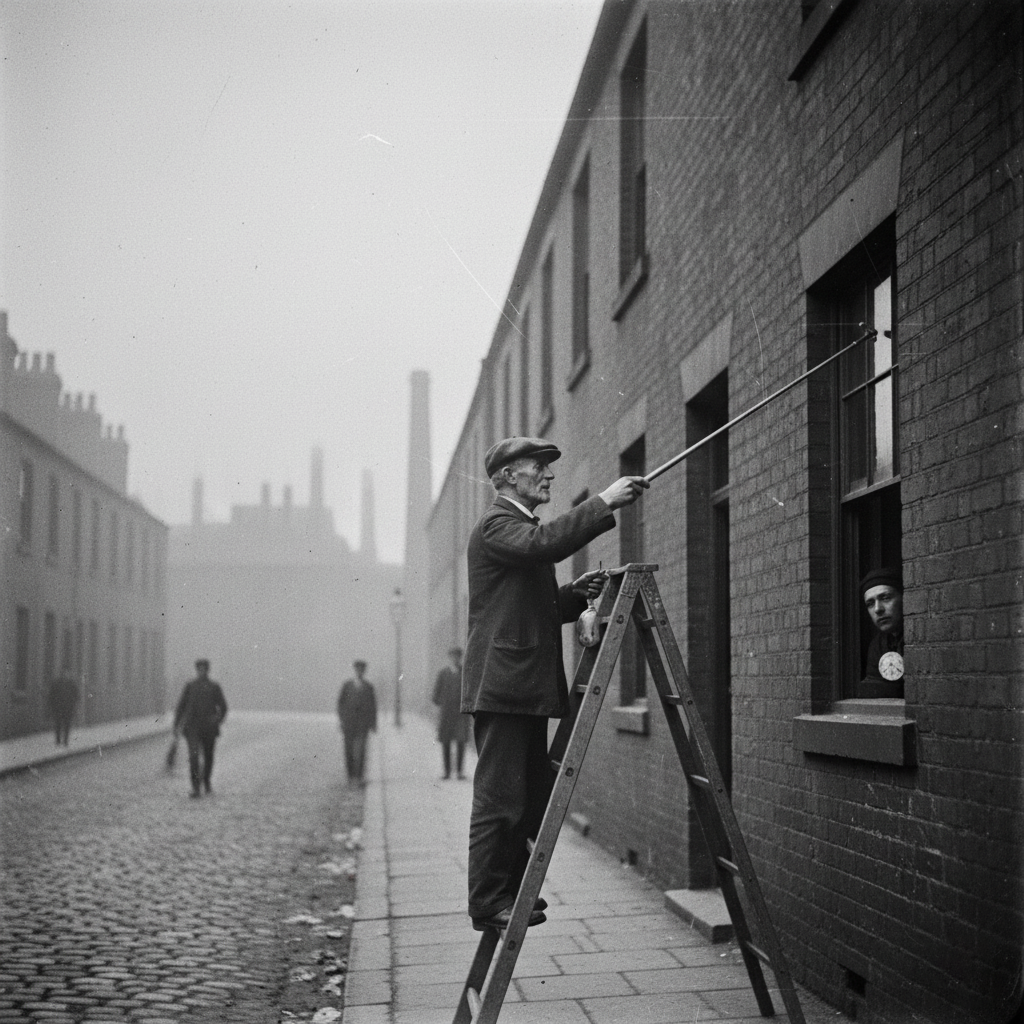
- Past · Victorian EraKnocker-UpperIn the bustling streets of Victorian England, where the clamor of industry met the rhythm of daily life, a unique occupation emerged: the Knocker-Upper. This job was essential for those who needed to rise early for work but lacked the luxury of alarm clocks. Knocker-Uppers were the human alarm clocks of their time, ensuring that the working class could meet the demands of their laborious schedules. Armed with a long stick or a peashooter, they would rouse sleeping patrons by tapping on their windows or, in some cases, shooting small pellets to get their attention.
The Knocker-Upper was often a familiar figure in the neighborhood, known for their punctuality and reliability. They would typically start their rounds before dawn, navigating the dimly lit streets, often in inclement weather, to ensure that their clients were awake and ready for the day ahead. This job was not just about waking people; it was a vital service that supported the industrial economy, where time was money and every minute counted.
As the sun rose, the Knocker-Upper would call out names or tap on windows, sometimes even engaging in light banter with the residents. Their presence was a comforting routine in the lives of many, a reminder that the day was beginning and that it was time to rise and shine.
However, as the 20th century approached, the Knocker-Upper began to fade into obscurity. The advent of the mechanical alarm clock, which became increasingly affordable and reliable, rendered this occupation obsolete. The rise of technology and changing social norms shifted the way people managed their time, leading to the decline of this once-essential role.
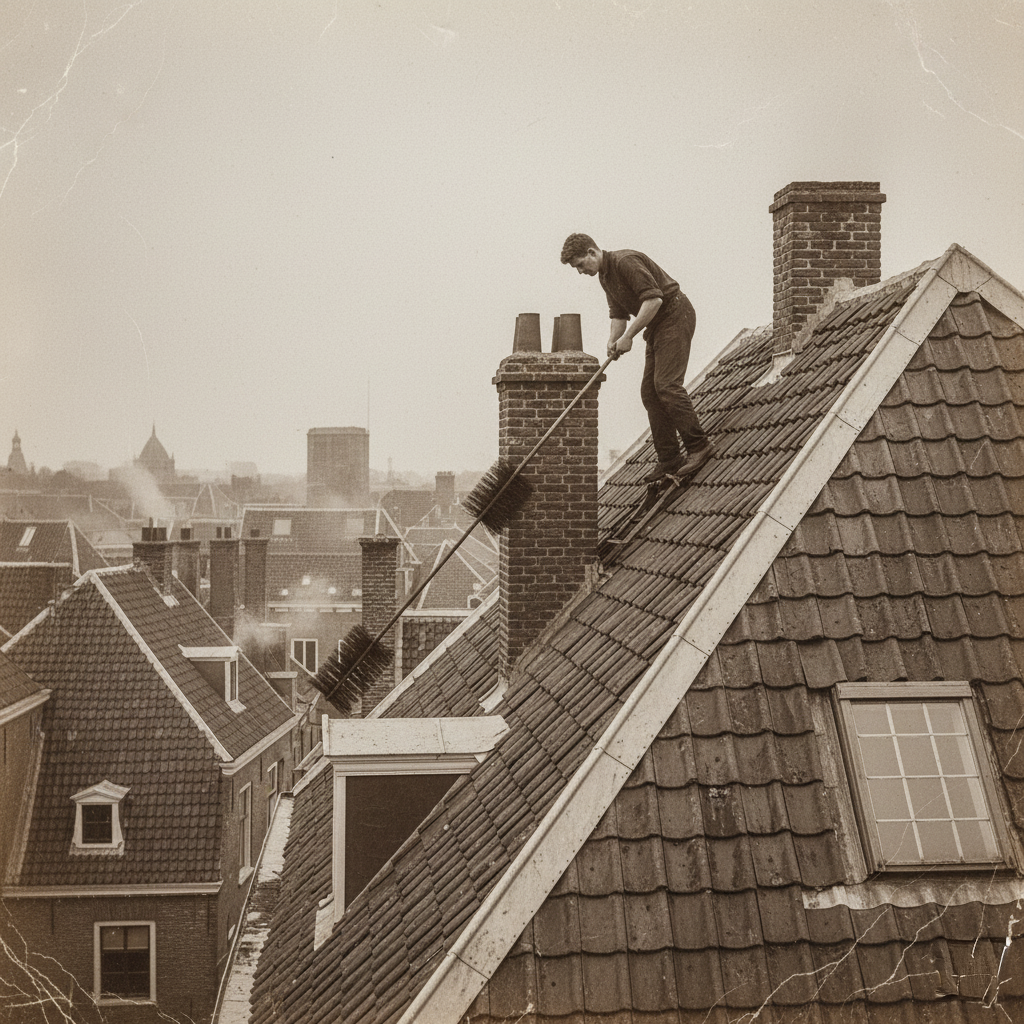 Past · Victorian EraChimney SweepThe role of a chimney sweep was crucial in the Victorian Era, particularly in urban areas where coal was the primary source of heating. As homes and factories proliferated, so did the need for clean chimneys to prevent dangerous chimney fires and ensure proper ventilation. Chimney sweeps were responsible for cleaning soot and creosote buildup from chimneys, which could lead to hazardous conditions if left unchecked. The job was often performed by young boys, some as young as six, who would climb into narrow flues to scrape away the soot. This labor-intensive work required not only physical agility but also a keen understanding of the structure of chimneys and the dangers associated with them. The job was often grueling, with sweeps working long hours in cramped, dark spaces, and it was not uncommon for them to suffer from respiratory issues due to the soot they inhaled. Despite the harsh conditions, chimney sweeps played a vital role in maintaining the safety of homes during a time when coal was the dominant fuel source.