
law
The Anatomy Act and the mortuary
Bodies that left the house and the graveyard.
Resurrectionists lost their buyer in 1832. Watchers and layers-out lost the body when undertakers removed it to a mortuary.
Under this force
3
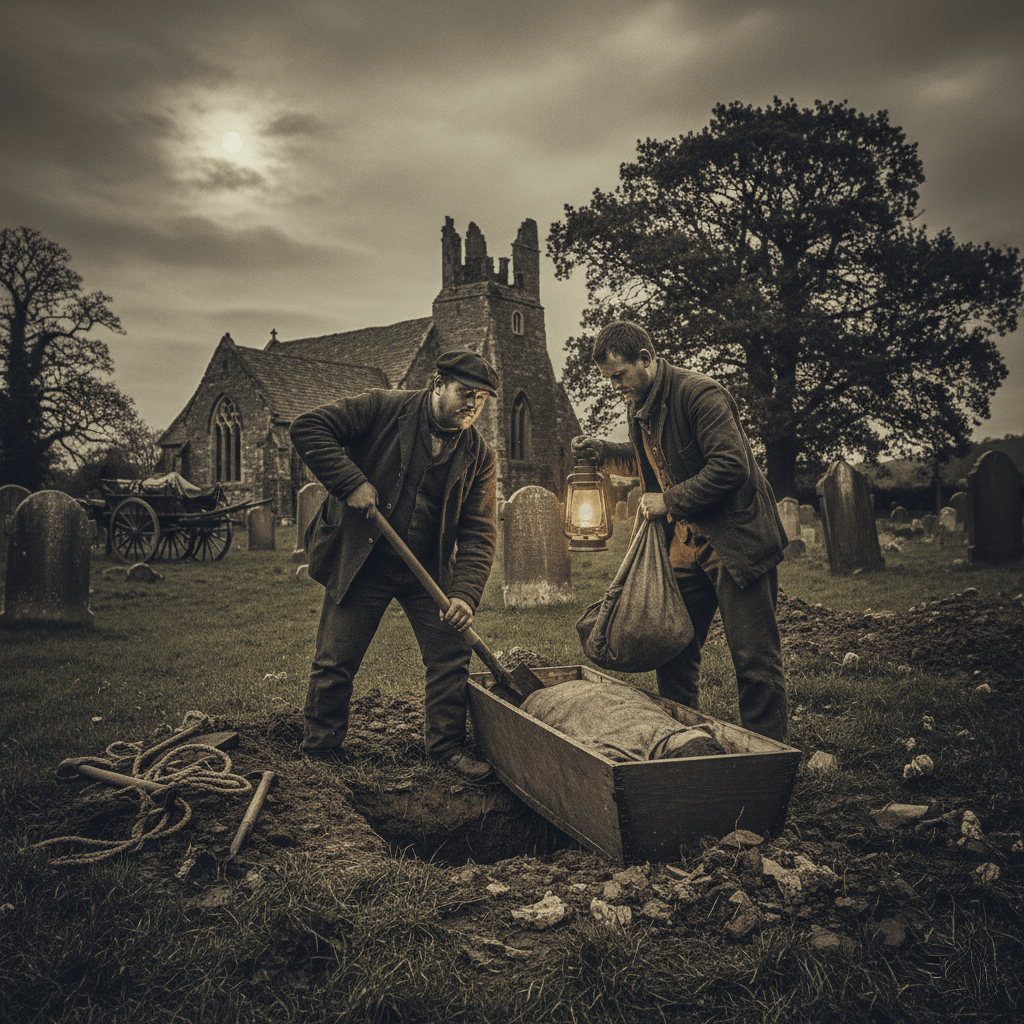
- Past · Victorian EraResurrectionistThe role of a resurrectionist, often referred to as a body snatcher, emerged in the early 19th century during a time when the demand for cadavers for medical research and education far exceeded the supply. In an era where the study of human anatomy was gaining prominence, medical schools required fresh specimens for dissection, but legal restrictions limited the availability of bodies. Resurrectionists operated in the shadows, exhuming recently buried corpses from graveyards and selling them to medical institutions. This clandestine occupation was fraught with moral and legal dilemmas, as it often involved the desecration of graves and the exploitation of the deceased's families. Despite the grim nature of their work, resurrectionists played a crucial role in advancing medical knowledge, albeit through highly controversial means. Their activities sparked public outrage and led to significant legal reforms regarding the procurement of cadavers, ultimately transforming the landscape of medical education.
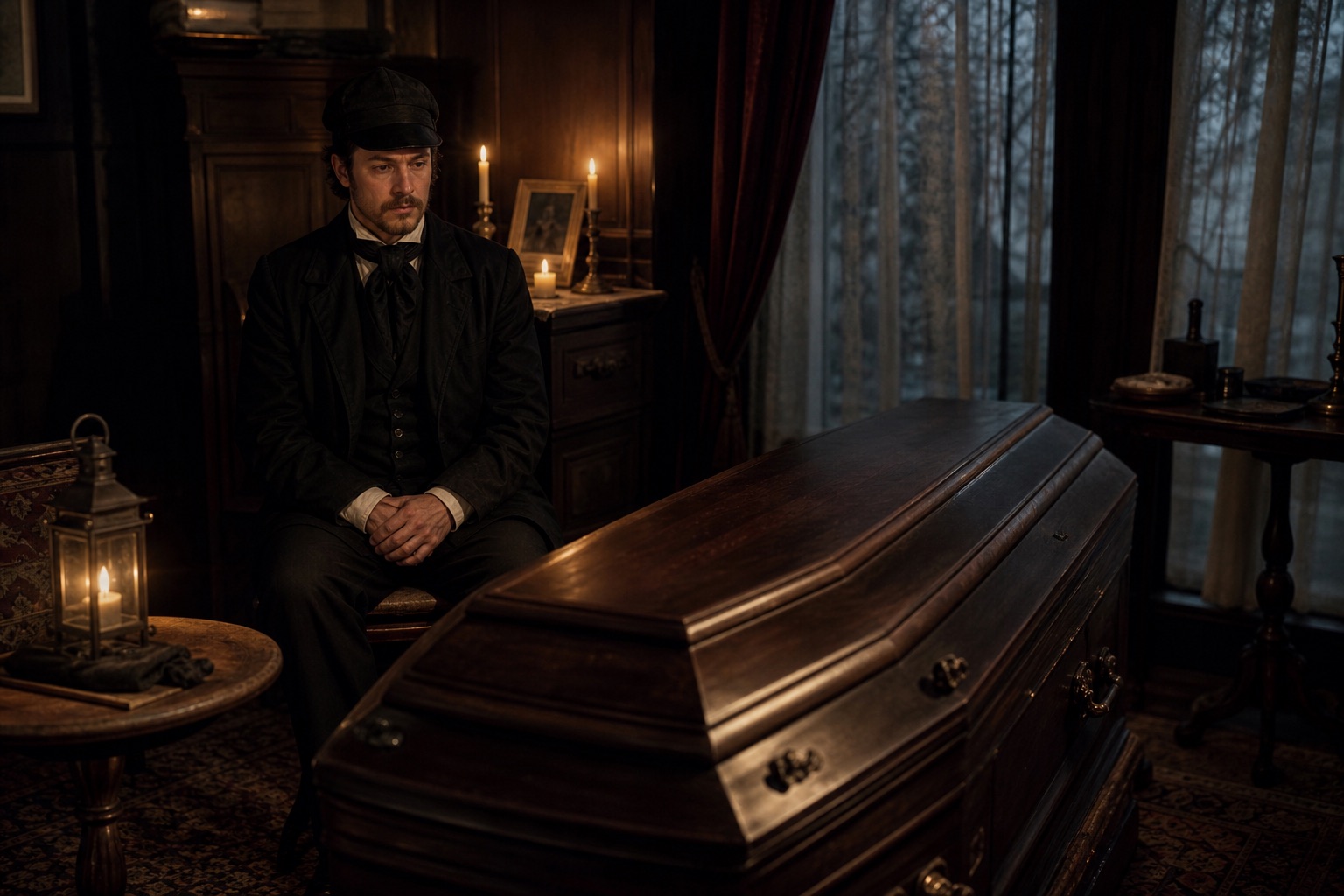 Past · Georgian EraCorpse-watcherA corpse-watcher sat with a dead person through the night in the house, before the body left for burial. The custom had two reasons that overlapped and should not be collapsed into one. One was the wake: a household did not leave its dead alone, and neighbors or kin took turns in the room, with a candle, a chair, and often a simple prayer or a quiet conversation in the next doorway. The other reason, sharpest before the Anatomy Act 1832, was practical guard duty. Resurrectionists stole fresh corpses for anatomy schools, especially in London and Edinburgh, and a watched house was harder to rob than an empty one.
The watcher was not an undertaker's employee and not a nurse. Payment, when it existed, was a shilling and a meal from the family, or nothing but the obligation of the street. After 1832 the schools had a legal supply of bodies and the profitable theft declined, yet families still sat up, because the wake was older than the panic. What ended the household version was the removal of the body itself. Funeral homes, chapels of rest, and public mortuaries took the dead out of the bedroom within hours. There was then no night in the house to sit through, and the watcher ceased with that room.
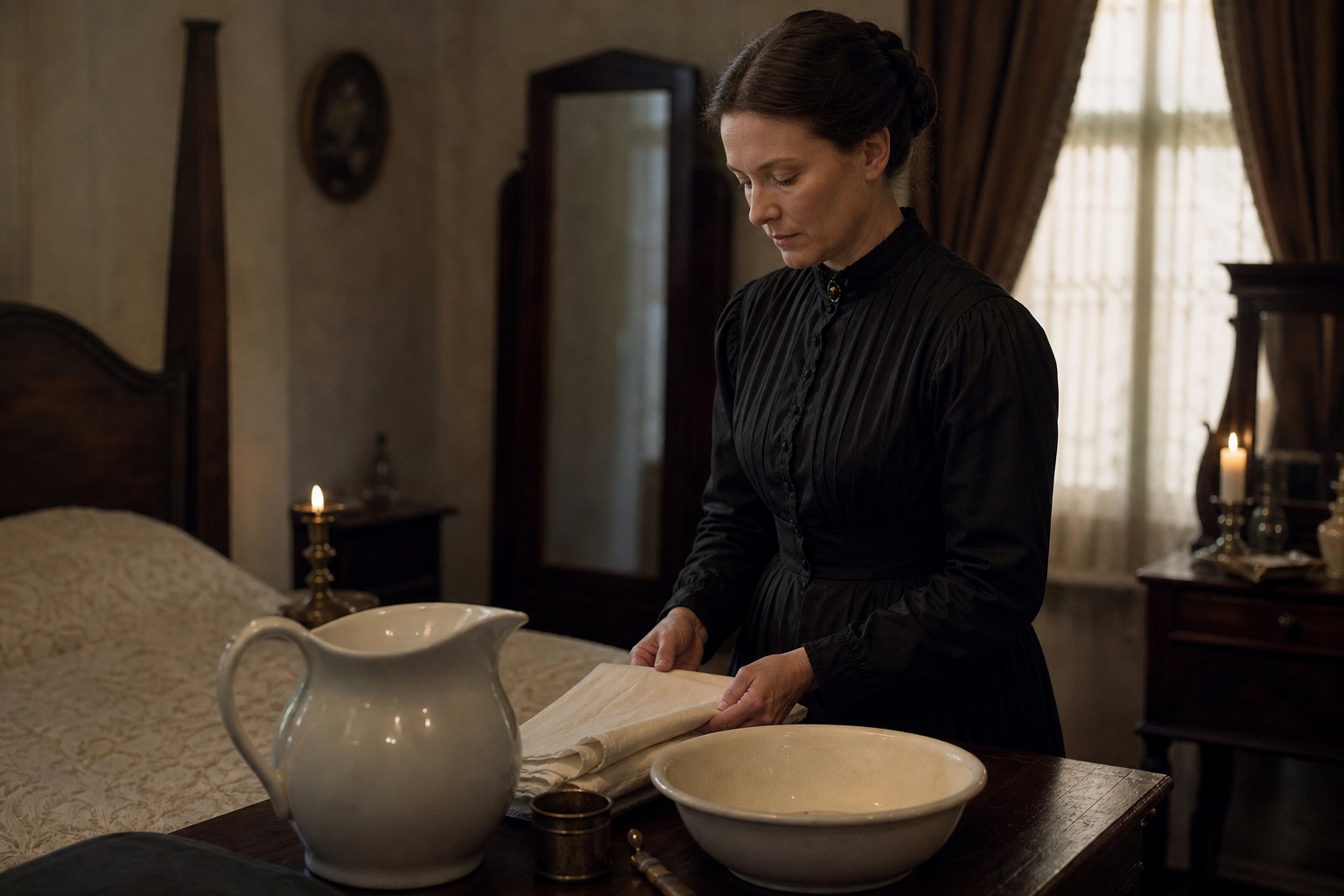 Past · Victorian EraLayer-outA layer-out was the woman of the neighborhood who came when someone died at home, washed the body, and prepared it for the interval before burial. She closed the eyes, tied a bandage or a strip of cloth under the chin so the mouth stayed shut, washed with soap and a cloth, and dressed the body in a shroud or in a clean shirt. Hair was combed. The room was left orderly enough for kin to sit. Pennies on the eyelids were a household trick used sometimes to keep the eyes closed, not a required rite. The layer-out was often the same sort of neighbor as the handywoman who attended births: known, local, and sent for by a child knocking at her door.
The work was ordinary in British towns and villages through the nineteenth century and still common in the early twentieth, especially where the dead remained in the house for a day or more. It was women's work by custom. Men of the family might lift. They did not wash. The end came when the undertaker's men removed the body to a mortuary or a chapel of rest and the washing was done there, by staff, away from the street. The layer-out was not abolished. She was left with no body in the bedroom, which had been her only workplace.