
Industrial Revolution
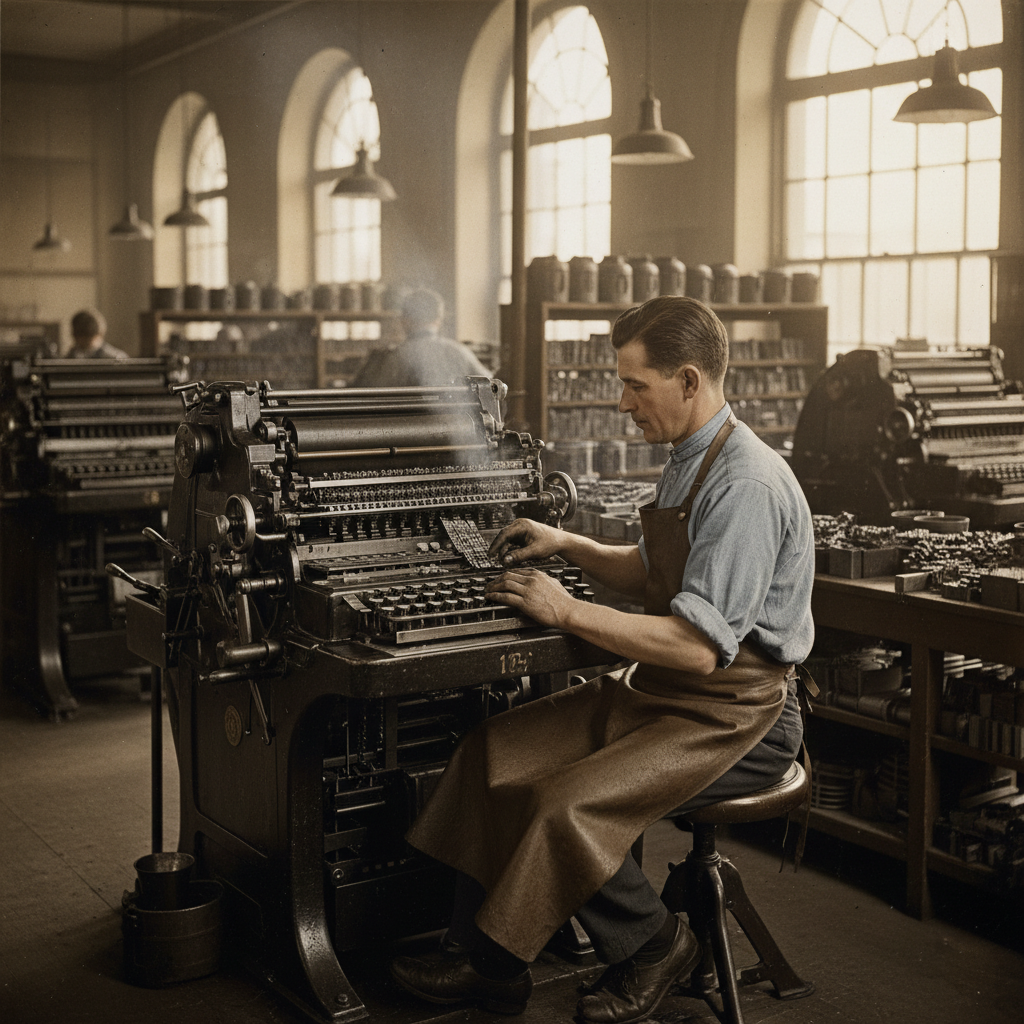
Linotype Operator
An extinct profession from Industrial Revolution that became obsolete due to technological advancement and societal change.
Media Gallery
Related Exhibits
Ice Delivery Man
The Ice Delivery Man was a vital figure in the late 19th and early 20th centuries, responsible for transporting large blocks of ice from ice houses to homes and businesses. Before the advent of modern refrigeration, ice was essential for preserving food, cooling drinks, and providing comfort during the sweltering summer months. Ice delivery men would often rise before dawn, preparing for a long day of labor that involved hauling heavy blocks of ice, sometimes weighing up to 300 pounds, using specialized tools and horse-drawn wagons. They navigated through city streets, delivering ice to households, restaurants, and markets, often shouting 'Ice!' to announce their arrival. The job required not only physical strength but also knowledge of customer preferences, as many clients had specific requests for the size and quantity of ice needed. The ice delivery man was a familiar sight in urban areas, contributing to the daily rhythm of life and commerce.
Scrivener
The scrivener was a vital figure in the medieval and early modern periods, serving as a professional scribe who specialized in writing documents by hand. Often employed by merchants, nobility, and the church, scriveners were responsible for drafting legal documents, contracts, letters, and other important texts. Their work was essential in an era when literacy was limited to a small segment of the population, and the written word held significant power. Scriveners were not only skilled in penmanship but also had a deep understanding of legal terminology and the nuances of language, making them indispensable in the administration of both public and private affairs. They often worked in scriptoriums or their own workshops, surrounded by parchment, ink, and quills, meticulously crafting each document with precision and care. The role of the scrivener was not merely to transcribe; they often provided advice on legal matters and helped clients navigate the complexities of written agreements, thus acting as both a writer and a consultant.
Explore More Exhibits
Discover the full collection of past and future professions in The Jobs Museum.